So you're moving to Dubai in the middle of summer. Brave choice - but also a smart one if you know how to play it. While everyone else waits for the "perfect" October–March window, you'll have first pick of apartments, shorter queues at every government office, and landlords who actually negotiate.
Here's everything you need to know about landing in Dubai between June and September 2026 - including what's different this year because of the Iran conflict.
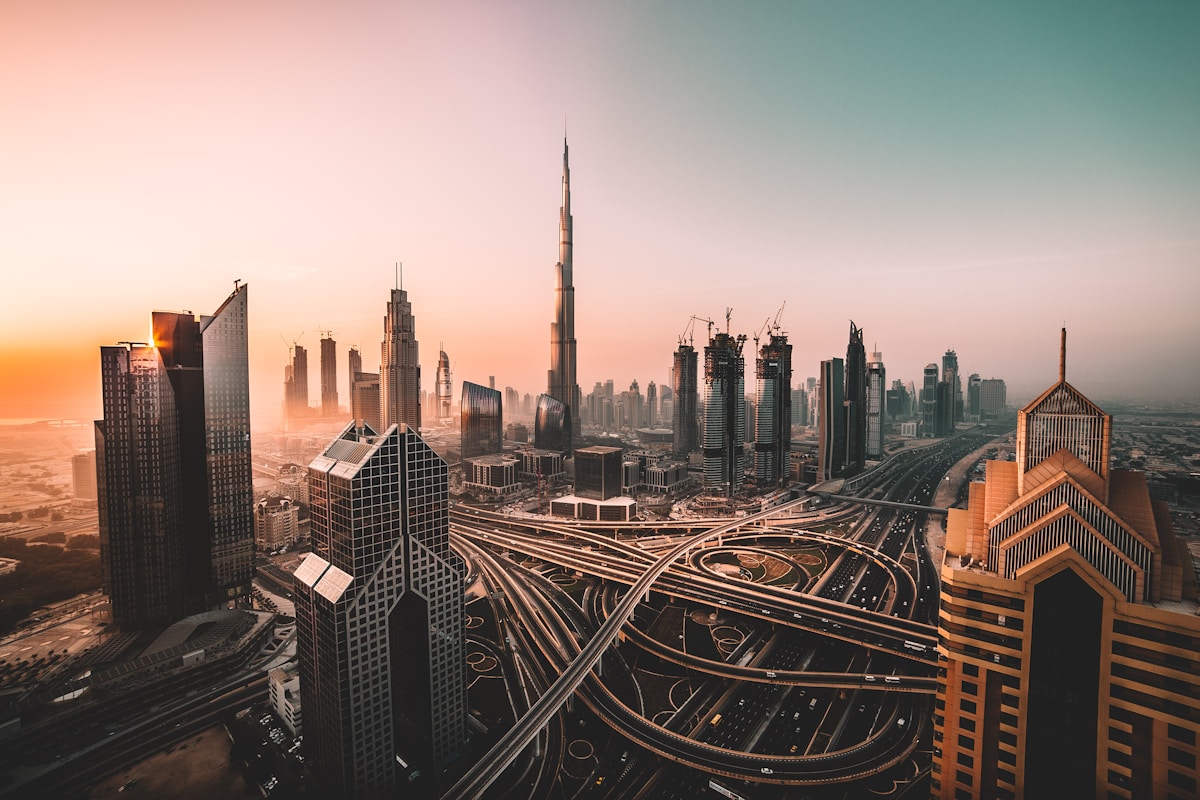
The Heat: Let's Get This Out of the Way
Dubai in summer is hot. Not "warm" or "toasty" - genuinely, brutally hot. Here's what to expect:
June–July: 38–43°C (100–109°F) during the day. Humidity around 50–70%. It feels hotter than the number suggests.
August–September: Peak heat. 40–48°C (104–118°F) possible. Humidity can hit 90% near the coast. September is often the worst month - still hot, plus everyone's tired of it.
What this means practically: You will live in air conditioning. Your car, apartment, office, mall, metro, gym - all aggressively cooled. The distance between air-conditioned spaces is the only part where you suffer. Outdoor activities happen before 7am or after 8pm. The beach is surprisingly tolerable at sunset with a sea breeze.
Summer working hours: The government introduced reduced hours for outdoor workers (no outdoor work between 12:30pm–3pm, June 15 to September 15). Office workers aren't affected, but some companies offer flexible summer hours. As part of the federal "Our Flexible Summer" initiative, some government entities are operating with adjusted schedules.
Your DEWA bill will spike. Average electricity bill for a 1BR apartment in summer: AED 500–650+, up from AED 300–400 in winter. The AC runs 24/7 and it's your biggest utility cost. If your building uses district cooling (Empower, Emicool), that's a separate bill - AED 800–2,000/month in peak summer for non-chiller-free buildings. Always ask if a building is "chiller-free" before signing a lease.

What's Different About Moving in 2026
This isn't a normal year. Here's what's changed since the Iran conflict:
Flights
Emirates is operating at about 80% of pre-war capacity from Dubai - 200 daily departures versus 237 a year ago. The network covers 138 destinations (96% of pre-conflict routes), and A380 services are returning on 11 routes between late June and August. But some European carriers still have reduced Gulf schedules, and fares on many routes are higher than last summer. Book early and book flexible where possible.
UAE airspace fully reopened on May 2, 2026. Dubai International Airport is operating normally. No restrictions on arrival or departure.
Shipping Your Belongings
The Strait of Hormuz disruption has affected container shipping routes. If you're shipping from Europe or Asia, some freight is being rerouted via the Gulf of Oman and Arabian Sea, adding 1–3 weeks to standard timelines. Costs have increased. Get quotes from multiple freight forwarders and confirm the routing.
Practical advice: pack 4–6 weeks of essentials in your luggage instead of the usual 2–3 weeks. Assume your shipped belongings will arrive later than quoted.
Rental Market
The rental market has softened compared to 2024–2025. Not collapsed - softened. Some mid-market landlords are more willing to negotiate, especially in areas with high new supply (JVC, Business Bay, Dubai Hills). Dubai recorded its first property price decline since the pandemic in March 2026 according to ValuStrat, though Q1 transactions were still up 31% year-on-year.
Summer is traditionally the slowest season for rentals anyway. Combining seasonal softness with post-conflict caution means you have more negotiating power than at any point in the last three years. Ask for a lower price, fewer cheques, or a month rent-free.
New Rules Since You Last Checked
- Property visa: No minimum property value for sole owners (since May 1)
- Salary payments: Must be processed by the 1st of each month (WPS enforcement tightened June 1)
- Cashless parking: No more coins at parking meters - app or SMS only (since June 1)
- Legal adulthood: Lowered from 21 to 18 years (since June 1)
- Visa-on-arrival: Six new countries added - Indonesia, Vietnam, Thailand, Philippines, Kenya, South Africa
- Salik and parking: Higher fees with VAT adjustments
- Smart Rental Index: RERA now uses building-specific data (unit size, floor, view, amenities) instead of broad area averages for rent increase calculations
Your First Week: The Admin Sprint
Summer actually has one huge advantage for admin: shorter queues. Government offices, typing centres, and medical fitness centres are significantly less crowded from June to September. Everything takes less time.
Here's the order of operations:
Day 1: Arrive and Get Connected
Get a SIM card at the airport (du or e& counter in arrivals, from AED 49). You need a local number for literally everything. Start with prepaid - switch to postpaid after you get your Emirates ID.
Head to your temporary accommodation. Serviced apartments in JLT, Business Bay, or Sports City offer the best value at AED 5,000–12,000/month. Summer rates are often 20–30% lower than winter.
Days 2–3: Medical Fitness Test
If you have an employment or freelance visa, your medical test comes first. Go early morning (7–8am) to a DHA-approved centre - Al Barsha and Academic City locations are usually quieter. Cost: AED 270–320. Bring: passport, entry permit, 2 passport photos. Results in 2–3 business days.
Days 3–5: Emirates ID Application
Visit a typing centre (they're everywhere, no appointment needed) to submit your Emirates ID application. Cost: AED 270–370 total. Biometrics (fingerprints + photo) can often be done at the same location. Processing: 7–10 working days. The application receipt works as valid ID at banks and telecom shops while you wait.
Days 5–10: Bank Account + UAE Pass
Once you have your Emirates ID (or receipt), open a bank account. Emirates NBD is the most widely accepted; Liv X (digital, no minimum balance) is the easiest if you don't want to visit a branch. Bring: passport, Emirates ID/receipt, visa page, salary certificate or trade license.
Download UAE Pass and register with your Emirates ID for verified access to government services. You'll need it for Ejari, DEWA, and most online portals.
Days 7–14: Apartment Hunting
This is where summer works in your favour. Fewer people are looking, landlords are motivated, and you can view apartments comfortably (everything is air-conditioned). Use Property Finder and Bayut to shortlist, then view in person. Aim for 8–12 viewings over a few days.
What to check in summer specifically:
- AC condition (test it - if it's struggling now, imagine August)
- Is the building chiller-free or district cooling?
- Window orientation (west-facing = oven in summer)
- Pool and gym quality (you'll use these heavily when it's too hot for outdoors)
- Parking (covered/shaded parking is a genuine luxury)
Once you sign, register Ejari (fastest via Dubai REST app, AED 155–220), then set up DEWA (online, AED 2,130 including refundable deposit).
Days 14–21: Everything Else
Internet: du, e&, or Virgin Mobile (Virgin is contract-free 5G wireless - no installation, no Ejari needed, operational same-day). Fibre from du/e& takes 2–5 days for installation.
Health insurance: If employed, your employer provides it. If freelance, budget AED 3,000–8,000/year. Mandatory across all 7 emirates since January 2025.
Unemployment insurance (ILOE): If you're on an employment visa, subscribe within 3 months of visa issuance. AED 60 or AED 120/year. Penalty for non-subscription: AED 400.
Driving licence: If your country is on the approved list (57 countries), conversion takes 1–2 hours. Eye test (AED 140–180), then visit an RTA service centre. Total: AED 900–1,500.
Summer-Specific Tips for New Arrivals
Your car will be an oven. Buy a windshield sunshade immediately. Park underground or in shade wherever possible. If parked in the sun, the steering wheel and seatbelt buckle will burn you. This isn't an exaggeration - surfaces inside a parked car can reach 70°C+.
Hydrate aggressively. Carry water everywhere. Dehydration sneaks up on you, especially if you're from a cooler climate. Many newcomers get headaches and fatigue in their first week - it's usually dehydration plus AC adjustment, not illness.
Summer is deal season. Restaurants, hotels, spas, gyms, and attractions all run summer promotions. The Entertainer app (2-for-1 deals) becomes even more valuable. Gym memberships negotiated in summer often lock in lower annual rates.
Indoor Dubai is incredible. This is when you discover why Dubai invested so heavily in indoor infrastructure. Dubai Mall (with ice rink and aquarium), Mall of the Emirates (with Ski Dubai), IMG Worlds of Adventure, Motiongate - there's more indoor entertainment here than almost any city on earth. Summer is when locals actually use it all.
Friday brunch continues year-round. It's air-conditioned. Prices sometimes drop in summer. Book anyway - popular spots still fill up, especially during Eid holidays.
The beach works in early morning. JBR Beach and Kite Beach at 6am are genuinely pleasant. The sea is warm (30–33°C) but the air temperature before 8am is tolerable. By 10am, you'll want to leave.
Cost of Moving in Summer 2026: Realistic Budget
Here's what to budget for your first month in Dubai, arriving in summer 2026:
Fixed costs (one-time):
- Temporary accommodation (3 weeks): AED 6,000–12,000
- Medical fitness test: AED 300
- Emirates ID: AED 270–370
- DEWA deposit + connection: AED 2,130
- Ejari registration: AED 155–260
- Internet setup: AED 200
- SIM card + data: AED 100
- Nol transport card: AED 25
Rental deposit (refundable):
- Security deposit: 5% annual rent (unfurnished) or 10% (furnished)
- Agent commission: 5% annual rent (if using an agent)
- First cheque: varies (1–12 cheques; first cheque due at signing)
Monthly ongoing:
- Rent: AED 4,000–8,000 (studio/1BR, area dependent)
- DEWA: AED 500–650 (summer)
- District cooling (if applicable): AED 400–1,200
- Internet: AED 229–399
- Mobile: AED 100–200
- Groceries: AED 1,500–3,000
- Transport: AED 500–2,000 (depends on car vs. metro vs. ride-hailing)
Total first-month cost (excluding rent deposit): AED 15,000–25,000 depending on your choices. With rent deposit and agent commission for a 1BR at AED 70,000/year, add approximately AED 10,500 upfront.

The Elephant in the Room: Should You Wait?
A lot of people are asking whether they should wait until the peace deal is finalized - presumably in August 2026 if the 60-day MOU timeline holds. That's a reasonable question.
Here's the trade-off: if you wait for "certainty," you'll be moving in September–October when everyone else is also moving, the rental market tightens, schools have started, and you've lost 3–4 months of earning and settling in. If you move now, you get summer pricing, empty government offices, landlord flexibility, and a head start on building your life here.
The conflict status as of late June 2026: ceasefire holding since April 8. MOU signed June 17 to end the war. Emirates operating 138 destinations. Daily life completely normal. The Strait of Hormuz remains a wildcard, but that affects shipping costs and oil prices - not your ability to live, work, and enjoy Dubai.
Perfect certainty doesn't exist. It didn't exist before February 28 either - people just assumed it did. What exists now is a Dubai that's been tested, defended itself, recovered quickly, and is actively working to make itself more accessible than ever.
If you're ready, the summer of 2026 is a genuinely good time to arrive.
This article is for informational purposes only and does not constitute professional advice. Regional conditions can change - check your government's travel advisory and confirm visa/regulatory details with official UAE sources before relocating. Sources: UAE General Civil Aviation Authority, Emirates Airlines, Wego Travel, Time Out Dubai, Gulf News, Dubai Land Department, RERA, Britannica, Al Jazeera


