When I moved to Dubai Marina in 2024, my apartment looked perfect. Sea views, gym, pool. Then summer hit and I got my first Empower bill: AED 1,850 on top of my AED 600 DEWA bill. I nearly fell off my chair. A year later, I moved to JVC (chiller-free) and my total summer utility bill dropped to AED 900. Here's everything you need to know about the biggest hidden cost in Dubai housing.
Bottom line: Chiller-free apartments cost 40-60% less in cooling bills annually. For a 2BR, that's AED 10,000-15,000/year saved. District cooling is common in Dubai Marina, JBR, Downtown, and Business Bay. Chiller-free is common in JVC, Discovery Gardens, Sports City, older areas, and most villas.

What Are These Cooling Systems?
Dubai has two main types of air conditioning systems in residential properties. Understanding the difference before you sign a lease can save you thousands of dirhams every year.
District Cooling (Central A/C)
A large centralized plant (run by companies like Empower or Tabreed) produces chilled water at a remote location. This cold water is pumped through underground pipes to your building. Inside your apartment, fan coil units (vents in the ceiling or walls) distribute the cold air throughout rooms.
You receive a separate monthly bill from the cooling provider (Empower, Tabreed, or DEWA District Cooling) charged per ton-hour of cooling consumed. This is billed separately from your DEWA electricity bill. Many new residents don't realize this and get shocked by the extra monthly charge.
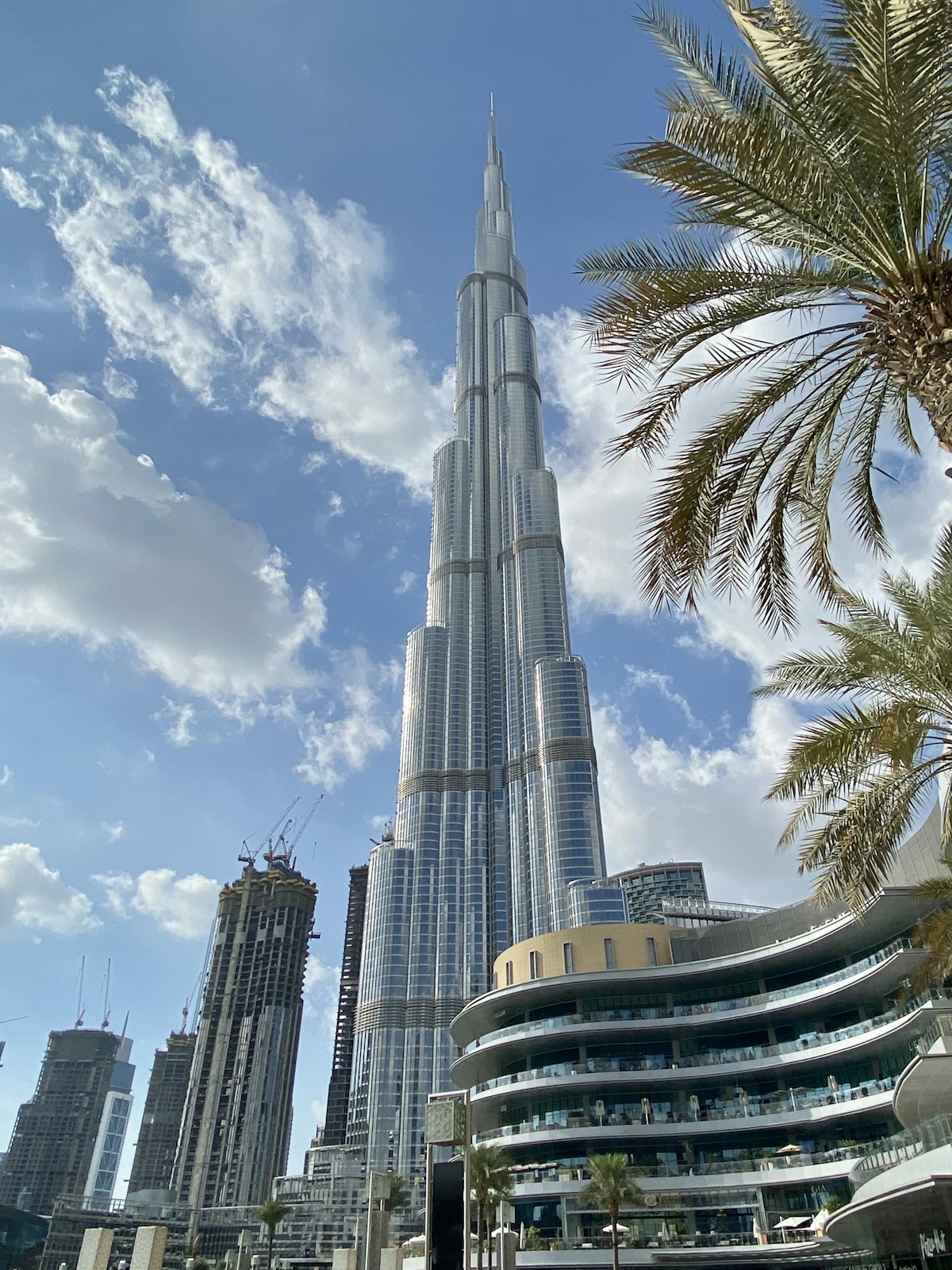
You'll find district cooling primarily in high-rise buildings and newer developments built after 2010, especially in premium areas like Dubai Marina, JBR, Downtown Dubai, Business Bay, DIFC, Dubai Hills Estate, City Walk, and Bluewaters Island.
Chiller-Free / Split A/C (Individual Units)
Each room has its own individual split A/C unit mounted on the wall, with a corresponding outdoor compressor unit on the balcony or exterior wall. You control each unit separately with its own remote control.
A/C power consumption is included in your DEWA electricity bill. You pay only for the electricity these units consume - no separate cooling bill. This is why it's called "chiller-free" (free from district cooling charges).
Chiller-free is common in mid-rise and older buildings, family-focused communities (JVC, Discovery Gardens, International City, Sports City, Motor City), older parts of Dubai Marina and JLT (built before 2008), and virtually all villas (Arabian Ranches, Springs, Meadows, Mira, Villanova, Damac Hills).
Key difference: With district cooling, you get TWO bills every month (DEWA + Empower/Tabreed). With chiller-free, you get ONE bill (DEWA only). This fundamental difference is why total costs vary so dramatically.
How District Cooling Actually Works
District cooling sounds high-tech and efficient (and it is for building owners), but here's what happens in practice. A massive industrial plant (often located miles away from your building) uses huge chillers to cool water down to 4-7°C. These plants serve multiple buildings across entire neighborhoods.
Insulated underground pipes transport this chilled water through the neighborhood to your tower. Inside your apartment, fan coil units blow air across coils filled with chilled water, cooling the air which then flows into your rooms through ceiling vents or wall grilles.
A separate meter (usually in your utility closet) measures how many ton-hours of cooling you consume. This meter is read monthly and forms the basis of your bill from Empower, Tabreed, or DEWA District Cooling - completely separate from your DEWA electricity bill.
The Two Major Providers
Empower (Emirates Central Cooling Systems Corporation) is the largest district cooling provider in the UAE. They serve Dubai Marina, JBR, Business Bay, Downtown Dubai (partial), DIFC, and Bluewaters. Their 2026 rate is approximately AED 0.60-0.70 per ton-hour, billed monthly with payment due 14 days after issue.
Tabreed (National Central Cooling Company) is the second-largest provider. They serve Downtown Dubai (partial), Business Bay (partial), JLT (some towers), Dubai Hills, and City Walk. Their 2026 rate is approximately AED 0.55-0.65 per ton-hour, also billed monthly.
DEWA also operates its own district cooling division serving some buildings, but Empower and Tabreed dominate the market.
Summer Monthly Cost Comparison (June-September 2026)
This is when the difference becomes brutal. Dubai summers (June through September) push A/C systems to their limits. Here are real-world average costs based on 2026 rates.
District Cooling - Summer Monthly Costs
In summer, district cooling monthly costs run approximately: studios AED 800–1,200 (district cooling AED 600–900 + DEWA AED 200–300), one-bedrooms AED 1,000–1,500 (district cooling AED 750–1,100 + DEWA AED 250–400), two-bedrooms AED 1,500–2,500 (district cooling AED 1,100–1,900 + DEWA AED 400–600), three-bedroom apartments AED 2,200–3,500 (district cooling AED 1,600–2,800 + DEWA AED 600–700), and three-bedroom villas AED 4,000–7,000 (district cooling AED 3,000–5,500 + DEWA AED 1,000–1,500).
Chiller-Free - Summer Monthly Costs
Chiller-free summer monthly costs (DEWA total including A/C) are significantly lower: studios AED 400–700, one-bedrooms AED 550–900, two-bedrooms AED 800–1,400, three-bedroom apartments AED 1,200–2,000, and three-bedroom villas AED 2,000–3,500.
Reality check: The upper ranges occur when running A/C at 18-20°C all day, while lower ranges reflect moderate usage (24-25°C, turning off when out). District cooling costs remain high even with minimal usage due to fixed capacity charges.
Annual Cost Comparison: The Real Savings
Summer is just part of the story. Let's break down full-year costs accounting for Dubai's three climate periods: summer (June-September, 4 months of intense heat at 35-45°C where A/C runs 24/7), winter (December-February, 4 months of mild weather at 15-25°C with minimal A/C), and moderate months (March-May and October-November, 4 months of warm weather at 25-35°C with moderate A/C use).
2BR Apartment - Annual Breakdown
For a 2BR apartment over a full year: summer (4 months) costs AED 8,000 with district cooling vs AED 4,400 chiller-free. Winter (4 months) costs AED 2,400 vs AED 2,200. Moderate months (4 months) cost AED 4,800 vs AED 3,000. Annual total: district cooling AED 15,200 vs chiller-free AED 9,600 - a saving of AED 5,600/year.
3BR Apartment - Annual Breakdown
For a 3BR apartment: summer costs AED 11,400 with district cooling vs AED 6,400 chiller-free. Winter costs AED 3,400 vs AED 2,800. Moderate months cost AED 6,800 vs AED 4,000. Annual total: district cooling AED 21,600 vs chiller-free AED 13,200 - a saving of AED 8,400/year.
3BR Villa - Annual Breakdown
For a 3BR villa the gap is massive: summer costs AED 22,000 with district cooling vs AED 11,000 chiller-free. Winter costs AED 6,000 vs AED 4,800. Moderate months cost AED 12,800 vs AED 7,200. Annual total: district cooling AED 40,800 vs chiller-free AED 23,000 - a saving of AED 17,800/year.
The annual savings summary: studios and 1BRs save AED 4,000-6,000/year with chiller-free. 2BR apartments save AED 5,000-8,000/year. 3BR apartments save AED 8,000-12,000/year. 3BR villas save AED 15,000-25,000/year.
Where to Find Each Cooling System
Knowing which areas have which cooling system helps you target your apartment search.
District Cooling Areas
Dubai Marina - Almost all towers built after 2008 use district cooling (Empower). Older towers from 2004-2007 (like Marina Promenade, Marina Quays) are often chiller-free. Always verify the specific building.
JBR (Jumeirah Beach Residence) - All 40 towers use Empower district cooling. No exceptions. High bills are standard here.
Business Bay - Mix of Empower and Tabreed. Virtually all high-rise towers use district cooling. Some older low-rise buildings may be chiller-free.
Downtown Dubai - Mix of Empower and Tabreed. Burj Khalifa area, Boulevard, and most towers use district cooling. Premium location means premium cooling bills.
JLT (Jumeirah Lake Towers) - Newer clusters (post-2010) mostly Empower. Older clusters may be chiller-free. Very building-specific - always ask.
Other district cooling areas: DIFC (all buildings, mostly Empower), Dubai Hills Estate (apartments mostly Tabreed, villas are chiller-free), City Walk (Tabreed throughout), and Bluewaters Island (Empower for all residential towers).
Chiller-Free Areas
JVC (Jumeirah Village Circle) - 99% of buildings are chiller-free. This is THE go-to area for families wanting low utility bills. Mid-rise buildings with split A/C units.
Discovery Gardens - All buildings chiller-free. Budget-friendly community with individual A/C control.
International City - 100% chiller-free across all clusters. Ultra-budget option.
Sports City and Motor City - Mostly chiller-free buildings. Family-friendly with reasonable utility costs. Villas also use split A/C units.
Older Dubai Marina/JLT buildings (pre-2008) - Some older towers like Marina Promenade, Marina Quays, and early JLT clusters are chiller-free. These are gems if you want a Marina location without district cooling costs.
All villa communities - Arabian Ranches, Springs, Meadows, Mira, Villanova, Damac Hills, Reem, Mudon, Town Square - virtually all villas use chiller-free split A/C. District cooling infrastructure doesn't extend to low-density residential areas.
Other chiller-free areas: The Greens & Views (older established community), and Barsha Heights/Tecom (mixed but many older buildings are chiller-free - always verify).
Pro tip: When searching on property portals (Property Finder, Bayut, Dubizzle), use the filter "Chiller Free" under amenities. This instantly narrows results to apartments without district cooling charges.
Pros and Cons of Each System
Chiller-Free Advantages
The biggest advantage is cost - 40-60% cheaper annual bills, which means massive savings especially for families. You only receive one bill (DEWA), which makes budgeting simpler. You can control each room individually, adjusting temperature per room or turning off unused rooms entirely. You pay only for actual usage, so disciplined usage translates directly to lower bills. And the A/C responds immediately to your settings - instant temperature control.
Chiller-Free Disadvantages
The outdoor compressor units take up balcony space and wall space inside. They can be noisy, especially at night. Maintenance is your responsibility - you must arrange and pay for servicing. Some buildings have older, less efficient units that may need replacement. Annual servicing costs run AED 150-300 per unit, though landlords often cover this.
District Cooling Advantages
No noise in the apartment since the chilling plant is miles away. The system is more efficient for large buildings (centralized system uses less energy overall). You get better temperature consistency with more even cooling throughout the apartment. Zero maintenance for residents - building management handles everything. And the aesthetic is cleaner with no outdoor A/C units on balconies.
District Cooling Disadvantages
The massive financial disadvantage - 40-60% more expensive. You have a separate bill to track and pay every month. Limited room-by-room control means you can't easily turn off cooling to specific rooms. It's mandatory if your building has it - no way to opt out or switch to individual A/C. And even minimal usage results in high bills due to fixed capacity fees.
How to Tell Before Signing Your Lease
This is critical. Many expats sign leases without asking about cooling and get shocked by their first summer bills. Here are five ways to confirm the cooling type.
Ask the agent directly. Say: "Does this apartment have chiller-free A/C or district cooling?" Good agents know instantly. If they don't know, that's a red flag about their knowledge.
Look for split A/C units during viewing. Walk to the balcony and look for outdoor A/C compressor units. If you see multiple box-shaped units (one per room), it's chiller-free. If the balcony is empty and you only see ceiling vents inside, it's district cooling.
Ask current tenants in the building. If viewing during the day, ask people in the elevator or lobby about their summer cooling bills. Residents will gladly share horror stories about AED 2,000 Empower bills if it's district cooling.
Request a copy of previous summer bills. Ask the landlord or agent for a redacted copy (hiding account numbers) of last July's utility bills. This shows exactly what you'll pay. If they refuse, be suspicious.
Read the tenancy contract small print. Before signing, look for clauses mentioning "district cooling", "Empower", "Tabreed", or "cooling charges". If present, you're in a district cooling building.
Red flag: If an agent says "utilities are cheap" or "bills are included" without specifics, they're either uninformed or misleading you. ALWAYS get specific answers about cooling type and estimated summer bills before committing.
Can You Negotiate Cooling Costs?
Short answer: not the rate itself, but possibly who pays.
District cooling rates are fixed. Empower and Tabreed charge government-approved rates (around AED 0.55-0.70 per ton-hour) and there's no negotiation possible. You also can't switch systems - if your building has district cooling, you're stuck with it and can't install individual A/C units.
What you can try: negotiate landlord-paid utilities in the contract. Very rare, but some landlords (especially in competitive markets) will include a utility cap, such as covering up to AED 1,000/month in cooling. This is more common in furnished units or corporate rentals.
You can also ask for lower rent to offset high utilities. When negotiating rent, mention: "I know this building has high cooling costs. Can you reduce the annual rent by AED 10,000 to offset?" Some landlords will adjust if you're a strong long-term tenant. Empower and Tabreed also occasionally run summer efficiency rebates or discounts for timely payment - check their apps.
Reality check: 99% of Dubai leases make tenants responsible for all utilities. Landlord-paid cooling is extremely rare. Your best leverage is choosing chiller-free apartments from the start.
How to Reduce Your Cooling Bills (Both Systems)
Whether you have district cooling or chiller-free, these strategies cut costs significantly.
Set temperature to 24-25°C, not 18-20°C. This single change saves 20-30% on cooling. Every degree lower costs 6-8% more. Your body acclimates within 3-4 days. I went from 20°C to 24°C and saved AED 400/month with zero comfort loss after week one.
Install blackout curtains or thermal blinds. Direct sunlight heats apartments by 7-10°C. Blackout curtains (AED 250-400 per room) block this heat. My apartment stays 6°C cooler during peak afternoon hours, reducing A/C runtime by 30%. Pays for itself in 2 months.
Only cool rooms you're using. In chiller-free apartments, turn off A/C in bedrooms during the day. In district cooling apartments, close vents and doors to unused rooms. Saves 20-25% by focusing cooling on occupied spaces.
Turn off when leaving home. If out for more than 3 hours, turn off A/C completely. Apartments reheat slowly. Turn A/C back on 30 minutes before returning - the apartment will be cool by the time you arrive. Saves 15-20% monthly.
Service A/C units twice a year. Dirty filters and coils make A/C work 25-30% harder. Professional cleaning costs AED 150-300 per unit but improves efficiency by 20%. Schedule before summer (April) and mid-summer (July).
Clean filters monthly (chiller-free only). Pop off the front panel of split A/C units and rinse filters with water. Takes 10 minutes per unit. Improves airflow and efficiency by 15%. I do this every 3-4 weeks in summer.
Use ceiling fans with A/C. Fans circulate cool air, making 25°C feel like 22°C. This lets you raise the thermostat 2-3 degrees while maintaining comfort. Fans use 95% less electricity than A/C.
Seal window and door gaps. Use weatherstripping or foam tape (AED 30-50 from Ace Hardware) to seal gaps. Prevents hot air infiltration. Reduces A/C runtime by 10-15%.
Cook during cooler hours. Ovens and stoves generate massive heat. Cook before noon or after 8 PM when it's cooler outside. Consider using outdoor BBQs or air fryers (which produce less heat than ovens).
Track usage and experiment. Check your Empower/Tabreed/DEWA app daily to see consumption patterns. Experiment with different settings for 3-4 days and compare costs. Data-driven optimization helped me find the sweet spot.
Real Results from Expats
"I raised my thermostat from 20°C to 24°C and installed blackout curtains in all bedrooms. My July Empower bill dropped from AED 1,950 to AED 1,300. That's AED 650/month saved just from two changes." - Jessica, 2BR in Business Bay
"We started turning off A/C completely when leaving for work (9 AM - 6 PM). Turn it back on via smart plugs 30 minutes before arriving home. Summer DEWA bills went from AED 1,400 to AED 900 in our JVC apartment." - Ravi, 2BR in JVC
"Servicing our villa's A/C units before summer and cleaning filters monthly cut our summer bills from AED 3,200 to AED 2,400. That's AED 3,200 annual savings for AED 800 in maintenance." - Mohammed, Villa in Arabian Ranches
Real Case Studies: Families Who Made the Switch
Case Study 1: Family of 4 Moves from Marina to JVC
Parents with two kids (ages 6 and 9) moved from a 2BR in a Dubai Marina tower with Empower district cooling (AED 95,000/year rent) to a 2BR in JVC that's chiller-free (AED 65,000/year rent).
Their Dubai Marina annual utilities (Empower + DEWA) were AED 16,600/year. In JVC, annual utilities (DEWA only) dropped to AED 10,400/year - a utility saving of AED 6,200/year. Combined with AED 30,000/year in rent savings, their total annual savings came to AED 36,200/year.
"We were hesitant to leave Marina, but JVC has better schools nearby and parks for the kids. The AED 36,000 annual savings lets us afford international school fees. Best decision we made." - Sarah & Tom, British expats
Case Study 2: Couple Shocked by First Summer Bill
Young professionals (both working in Media City) rented a 1BR in JBR with Empower district cooling at AED 75,000/year. They signed in February (winter) and the agent said "utilities are cheap here, maybe AED 400-500/month."
March-April (first 2 months): DEWA AED 300 + Empower AED 500 = AED 800/month total. "This matches what the agent said!" Then June hit: DEWA AED 350 + Empower AED 1,150 = AED 1,500/month. "Wait, what? Why did it double?" By July (peak summer): DEWA AED 380 + Empower AED 1,820 = AED 2,200/month. "This is insane!"
They were furious. The agent never explained district cooling or mentioned summer bills tripling. After implementing the saving tips, they got August down to AED 1,450. Still painful, but better.
"If I'd known about the cooling costs, I would've chosen a chiller-free building in Barsha Heights or JVC. The beach view isn't worth AED 18,000/year in extra utilities. When our lease ends, we're moving." - Priya, Indian expat
Case Study 3: Villa Family Stays Chiller-Free
Family of 5 (parents + 3 kids) in a 3BR villa in Arabian Ranches (chiller-free, AED 120,000/year rent). They considered moving to a Dubai Hills Estate townhouse (district cooling) but researched utility costs first.
They calculated: Dubai Hills townhouse (rent + Tabreed utilities) would cost AED 172,000/year, while staying in Arabian Ranches (rent + DEWA only) cost AED 144,000/year. Staying in Ranches saves AED 28,000/year.
Their tips for low villa bills: service all 8 A/C units before summer (costs AED 1,200 but saves AED 4,000+ annually), only cool bedrooms at night and living areas during the day - never the whole villa simultaneously, install blackout curtains in all bedrooms facing south/west, set all units to 24°C, and turn off A/C in kids' rooms during school hours (8 AM - 3 PM).
"Dubai Hills is beautiful, but we'd be paying AED 28,000 more per year for the same villa size. Arabian Ranches has better community feel anyway. Chiller-free is the only way for villas." - James, Australian expat
Estimated Annual Savings with Chiller-Free
The estimated annual savings with chiller-free: studios and 1BRs save AED 4,000–6,000/year, 2BR apartments save AED 6,000–10,000/year, 3BR apartments save AED 8,000–12,000/year, and 3BR villas save AED 15,000–25,000/year. These savings assume moderate A/C usage - heavy usage increases the gap even more.
Final Verdict: Chiller-Free Wins for Most Families
Unless you absolutely must live in premium towers (Marina, JBR, Downtown) for work proximity or lifestyle, chiller-free apartments save you AED 6,000-25,000 annually depending on apartment size.
For families, this is massive. That's international school fees, annual flights home, or a car payment. The math is undeniable: district cooling looks premium but costs premium.
My recommendation: Target chiller-free communities (JVC, Sports City, Discovery Gardens, older JLT/Marina buildings, and all villa communities). You get the same Dubai lifestyle, better control over your bills, and thousands saved every year.
Action Checklist: Avoid Cooling Cost Surprises
Before viewing apartments, filter property searches by "Chiller Free" amenity. During viewings, look for split A/C outdoor units on balconies (that means it's chiller-free). Ask the agent directly: "Is this chiller-free or district cooling?" Request a copy of the previous tenant's July/August utility bills (both DEWA and cooling). Read the tenancy contract for any mention of "district cooling", "Empower", or "Tabreed."
Always calculate total housing cost (rent + utilities), not just rent alone. If you do move to a district cooling building, budget AED 1,500-3,000/month extra for summer. And implement energy-saving tips from day one - set the thermostat to 24°C and install blackout curtains.
The cooling system question is the single most impactful housing decision you'll make in Dubai after choosing location and apartment size. Don't let beautiful lobbies and sea views blind you to AED 20,000/year in extra costs.
Ask the question. Do the math. Choose chiller-free. Your bank account will thank you every summer.


