Dubai has become one of the world's most popular destinations for expat families, attracting over 200,000 families annually with its promise of tax-free income, world-class international schools, exceptional safety, year-round sunshine, and a family-friendly lifestyle. However, moving with children requires careful planning-from selecting the right school curriculum and navigating waitlists to choosing family-appropriate neighborhoods and budgeting for education costs that can reach AED 100,000+ per child annually. This comprehensive guide covers everything families need to know: age-specific considerations for babies through teenagers, the complete school selection process, real family budgets, best areas by lifestyle and budget, visa requirements, healthcare, summer survival strategies, and honest insights from families who've made the move.

Why Dubai is Excellent for Families
Before diving into logistics, it's important to understand what makes Dubai such an attractive destination for families. Dubai offers a unique combination of lifestyle benefits, economic advantages, and family-oriented infrastructure that few cities worldwide can match.
Dubai hosts over 200 private international schools offering six major curricula: British, IB, American, CBSE, French, and German. This diversity means you can match your home country's curriculum or choose the globally mobile IB programme. Schools range from budget-friendly CBSE options at AED 12,000/year to premium British and IB schools at AED 110,000/year.
The city ranks among the safest globally with very low crime rates. Children can play outside, walk to neighborhood shops, and families feel comfortable exploring at all hours. The culture emphasizes family safety, and strict laws create a secure environment that most Western cities can't match.
Zero income tax means families keep their entire salary, providing significantly more disposable income for education, travel, activities, and savings. A AED 30,000/month salary in Dubai equals approximately AED 40,000+ in high-tax countries, giving families more financial flexibility for quality education and lifestyle.
October through May offers perfect beach weather (22-32°C), and most villa communities include pools. Kids can swim and play outdoors 9 months per year. June through August requires indoor activities due to extreme heat (40-45°C), but malls, indoor play areas, and community pools provide endless entertainment options.
Dubai's culture revolves around family. Restaurants have kids' menus and play areas, malls feature entertainment zones, beaches have dedicated family sections, and public spaces welcome children. The large expat community means kids grow up with multicultural friendships and global perspectives.
Top-tier pediatric care is available at American Hospital, Mediclinic, and NMC facilities. Health insurance is mandatory for all family members, ensuring access to excellent medical care. Specialists are readily available, wait times are short, and facilities rival the best in Europe and North America.
Dubai also offers world-class entertainment: IMG Worlds of Adventure, Motiongate, Legoland, Aquaventure, Dubai Aquarium, Ski Dubai, and more. Annual passes cost AED 1,500-3,000, providing year-round weekend activities. Combined with free beaches, parks, and community facilities, kids never run out of things to do.
The financial reality. While Dubai offers tax-free income and an excellent lifestyle, the cost of raising children here is substantial. Budget at least AED 30,000-50,000/month (USD 8,200-13,600) for a family of four living comfortably with two school-age children in mid-tier schools. Premium schools and larger villas can push this to AED 60,000-80,000/month. The lack of free public education means all expat families pay private school fees.
Age-Specific Considerations
The best age to move to Dubai with children is highly individual, but understanding age-specific challenges and advantages helps families plan timing strategically. Here's what to expect at different ages.
Babies and Toddlers (0-4 Years)
This is the easiest age for transition. Toddlers adapt quickly with no school friendships to leave behind. There is no mandatory schooling until age 4, giving families flexibility in nursery and preschool choices. Dubai is extremely family-friendly for young children: malls have play areas, restaurants have kids' zones, and beaches have safe swimming areas. Excellent pediatric healthcare with short wait times and highly qualified specialists is another advantage.
On the challenge side, nursery costs run AED 2,500-5,000/month (AED 30,000-60,000/year) for full-time care. Baby products including diapers, formula, and baby food cost 30-50% more than Western countries due to import costs. Summer heat means you can't play outside June-August, requiring indoor entertainment and higher A/C costs. Distance from extended family is also a factor -- no grandparents for babysitting, and childcare runs AED 50-80/hour for babysitters.
Best for: Families with one parent staying home or those with employer-provided nursery/childcare allowances. Nursery costs can equal school fees at mid-tier primary schools.
Primary School Age (5-10 Years)
This is the ideal age group for relocation. Children at this stage are the most adaptable -- they make friends easily and adjust quickly to new schools. There are no critical exams to disrupt (unlike GCSEs, A-Levels, or IB Diploma), and there is flexibility in curriculum choice, since switching between British, IB, and American systems carries minimal impact at this age. Kids are old enough to enjoy Dubai's activities (theme parks, beaches, sports) but young enough not to resist the move.
The challenges at this age center on school selection. Choose carefully now, because switching schools later disrupts friendships and curriculum continuity. The curriculum decision matters too -- British vs. IB vs. American impacts university admissions 10+ years later. Children may also miss grandparents and extended family. Video calls help but aren't the same.
Best for: Most families. This age offers maximum flexibility, easiest adaptation, and minimal educational disruption. If you can time the move, do it before age 11.
Secondary School (11-14 Years)
Children at this age are old enough to appreciate the multicultural experience and global perspective. They can still build strong friend groups before exam years (GCSE/IB at 16+), and if moving from the UK, can arrive before Year 10/GCSEs begin.
However, the transition is more challenging. Tweens and early teens have established friend groups and may resist leaving them. Curriculum timing matters -- British curriculum GCSEs start at 14 (Year 10), and IB MYP leads into DP at 16. Children may experience homesickness and compare Dubai unfavorably to home initially, and they require strong parental support during adjustment (expect 3-6 months settling period).
Considerations: Doable but requires more communication. Involve children in the decision, visit Dubai before moving if possible, and give them time to say goodbye properly. Most adjust within 6 months.
High School / Exam Years (15-18 Years)
Dubai schools have excellent university counseling and strong track records for UK/US/Canadian university admissions. Premium schools like JESS, Dubai College, and ASD achieve impressive Oxbridge and Ivy League placement.
That said, this is the hardest age for relocation. Teenagers have deep friendships, romantic relationships, and established identities. Moving mid-GCSEs, A-Levels, or IB Diploma can harm results and university applications. Many top schools don't have spots in Years 12-13 (final two years), and teens may strongly resist the move -- some families leave teens in home country with relatives or boarding school.
Honest advice: Unless absolutely necessary, consider delaying the move until after A-Levels/IB Diploma or leaving teenagers in home country boarding school. If moving is unavoidable, time it between academic years (never mid-year) and expect significant resistance and a longer adjustment period (6-12 months).

School Selection Process
Choosing the right school is the most critical decision for families moving to Dubai. With over 200 international schools offering six major curricula and fees ranging from AED 12,000 to AED 120,000 annually, the selection process requires careful research and planning.
Timeline: Start 12-18 Months Early
Popular schools like JESS (Jumeirah English Speaking School), Dubai College, American School of Dubai, and GEMS World Academy often have waiting lists of 1-2 years for certain year groups. Register your interest immediately when you know you're moving to Dubai -- don't wait until you arrive. Some parents register children at birth for premium schools.
Step 1: Choose Your Curriculum
Curriculum selection should align with your family's long-term plans and your child's future university location.
The British curriculum is the most popular option in Dubai, following the English National Curriculum leading to IGCSEs (age 16) and A-Levels (age 18). It is best for families returning to the UK or planning UK/European universities. Over 80 schools offer British curriculum in Dubai. Fees range from AED 18,000-110,000/year.
The IB (International Baccalaureate) is a globally recognized curriculum with three programmes: PYP (Primary), MYP (Middle), and DP (Diploma). It is ideal for globally mobile families who may relocate again, as it is recognized worldwide by universities. It tends to be more expensive than British curriculum, with fees from AED 50,000-110,000/year.
The American curriculum follows US educational standards leading to a High School Diploma and AP (Advanced Placement) courses. It is best for American/Canadian families or those planning North American universities. Fees range from AED 25,000-95,000/year.
CBSE (Indian curriculum) is the most affordable option in Dubai, delivering excellent academic results at a fraction of Western curriculum costs. Best for Indian expat families planning to return to India or pursue Indian higher education. Fees range from AED 12,000-40,000/year.
French and German curricula are also available for French and German expat families. Fewer schools but excellent quality for native speakers, with fees from AED 35,000-70,000/year.
Step 2: Set Your Budget
School fees are just the beginning. Budget for the complete cost including hidden expenses.
Complete annual cost per child: tuition fees AED 12,000-110,000, registration fee (one-time) AED 500-2,000, uniforms AED 500-1,500, books and supplies AED 1,000-3,000, school bus AED 5,000-10,000, extracurriculars AED 2,000-8,000, school trips AED 1,000-5,000, and technology fees AED 500-2,000. The total annual cost per child ranges from AED 22,500 to AED 141,500.
Step 3: Check KHDA Ratings
The Knowledge and Human Development Authority (KHDA) inspects all Dubai schools annually and publishes ratings: Outstanding, Very Good, Good, Acceptable, Weak, Very Weak. Visit khda.gov.ae to check ratings and read full inspection reports. Target a minimum "Very Good" rating. "Good" rated schools can offer excellent value, but read the full inspection report to ensure teaching quality is strong even if facilities are basic. Avoid schools rated "Acceptable" or below unless budget absolutely requires it.
Step 4: Consider Location
Choose your residential area based on school location, not the other way around. A 30-minute commute maximum is ideal -- longer commutes harm children's wellbeing and family routines.
Pro tip: Visit schools before signing a rental lease. Many families make the mistake of choosing a home first, then realizing their preferred schools are 45+ minutes away. Live near your school or accept that school bus commutes will be 45-60 minutes each way.
Step 5: Apply Early (January-March for September Intake)
Applications open January through March for September intake -- apply early, as many schools process first-come-first-served. From March to May, schools conduct assessment tests and interviews (English and Math from Year 1 onwards). Admission offers are sent April through June, and you should pay the deposit (AED 2,000-5,000) to secure a place. In July and August, pay first term fees and arrange uniform and school bus. The school year begins in late August or early September.

Best Family Areas by Budget
Location dramatically impacts family life in Dubai. The best family areas combine proximity to quality schools, safe neighborhoods, community amenities (pools, parks), and reasonable rent. Here are the top options by budget tier.
Premium Family Areas (AED 200K+ Rent/Year)
Arabian Ranches 1 & 2 are Dubai's most established family villa communities, with over 15 schools within a 10-minute drive covering all major curricula. Gated communities offer 24/7 security, community pools, parks, BBQ areas, and golf course access. Safe streets where kids can cycle and play. A 3BR villa rents for AED 180,000-250,000/year, while a 4BR villa goes for AED 220,000-320,000/year. Nearby schools include JESS Arabian Ranches, Ranches Primary School, GEMS Metropole, Dubai British School, Fairgreen International, and Nord Anglia. Best for families wanting villa lifestyle, community atmosphere, and excellent school access.
Springs & Meadows are mature villa communities with tree-lined streets, lakes, and extensive green spaces. They offer similar school access to Arabian Ranches but are quieter and more spacious. Popular with long-term expat families, with community pools and parks included. A 3BR villa rents for AED 160,000-220,000/year and a 4BR villa for AED 200,000-280,000/year. Nearby schools are the same as Arabian Ranches (10-15 min drive), plus Victory Heights Primary. Best for families wanting established neighborhoods, green spaces, and quiet villa living.
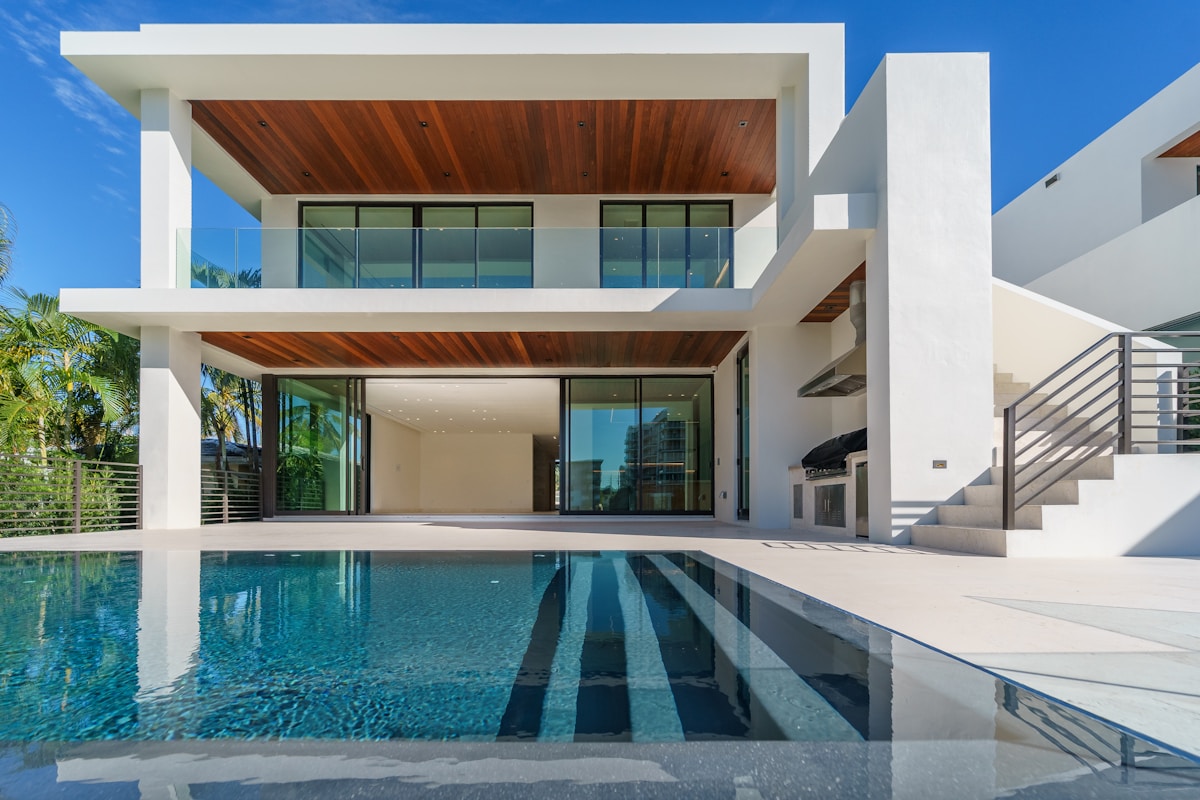
Jumeirah 1, 2, 3 (Beach Road) is a premium location with beach access, mature trees, and Dubai's best schools nearby. Walking distance to beaches, cafes, and supermarkets. More expensive but ultimate convenience and lifestyle, with a mix of villas and older low-rise apartments. A 3BR villa rents for AED 250,000-400,000/year and a 2BR apartment for AED 140,000-200,000/year. Nearby schools include JESS Jumeirah, Jumeirah College, Dubai College, and Dubai English Speaking College (DESC). Best for families prioritizing beach lifestyle, walkability, and proximity to premium schools.
Dubai Hills Estate is Dubai's newest premium family community with modern villas and apartments, Dubai Hills Mall, a championship golf course, parks, and walking trails. Central location with easy access to both older and newer Dubai. A 3BR villa rents for AED 200,000-300,000/year and a 3BR apartment for AED 150,000-220,000/year. Nearby schools include Dubai Hills Estate schools, GEMS Modern Academy, and Jumeirah College (15 min). Best for families wanting modern development, resort-style amenities, and central location.
Mid-Range Family Areas (AED 100-200K Rent/Year)
JVC (Jumeirah Village Circle) is Dubai's most popular mid-range family community, offering a mix of apartments and townhouses, numerous parks and playgrounds, and walking distance to shops and supermarkets. Community pools are available in most buildings, and the overall feel is safe and family-oriented. A 2BR apartment rents for AED 70,000-95,000/year and a 3BR townhouse for AED 95,000-130,000/year. Nearby schools include Victory Heights Primary, Regent International, JSS International, and GEMS Metropole (10 min). Best for families wanting affordable, safe, family-friendly community with good school access.
Mirdif is an established residential area popular with families for 15+ years, with a mix of villas and apartments, tree-lined streets, and proximity to Mirdif City Centre mall. Multiple schools are within 10 minutes, and the area is more spacious and quieter than JVC. A 2BR apartment rents for AED 75,000-100,000/year and a 3BR villa for AED 120,000-160,000/year. Nearby schools include GEMS Modern Academy, Raffles International, Uptown School, and multiple CBSE schools. Best for families wanting established neighborhood, a mix of housing types, and mall access.
Town Square is a newer family-oriented community built around a large central park, with modern apartments and townhouses, community pools, playgrounds, shops, and restaurants. Family-focused design with wide sidewalks and cycling paths, and a growing expat family population. A 2BR apartment rents for AED 75,000-100,000/year and a 3BR townhouse for AED 110,000-145,000/year. Nearby schools include North London Collegiate School, Fairgreen International, and GEMS schools (15 min). Best for families wanting modern development, park access, and community atmosphere.
Motor City / Sports City are affordable communities popular with young families. Motor City has community pools and parks, while Sports City features sports academies (football, cricket, golf) and a dedicated school campus. Both offer good value for money with multiple schools nearby. A 2BR apartment rents for AED 60,000-85,000/year and a 3BR villa for AED 100,000-140,000/year. Nearby schools include GEMS Modern Academy, Dubai Sports City School, Victory Heights Primary, and JSS International. Best for budget-conscious families, sports enthusiasts, and proximity to schools.
Budget Family Areas (AED 70-100K Rent/Year)
Discovery Gardens is a budget-friendly apartment community near a Metro station, with studios to 3BR apartments, community pools, and small parks. Schools are accessible via school bus (20-30 min commutes). More affordable but still safe and maintained. A 1BR apartment rents for AED 45,000-60,000/year and a 2BR for AED 60,000-80,000/year. Schools are accessible via bus (Victory Heights, JSS, GEMS schools 20-30 min away). Best for budget-conscious families, smaller households, and those who value metro access.
Sports City is also available as a budget option with sports academies (football, cricket) and a school campus within the community. It offers a mix of apartments and townhouses with community pools. More car-dependent but schools are nearby. A 2BR apartment rents for AED 55,000-75,000/year and a 3BR for AED 70,000-95,000/year. Nearby schools include Dubai Sports City School (on-site), Victory Heights Primary, and JSS International. Best for budget-conscious families, sports-focused households, and school proximity.
International City is Dubai's most affordable residential area with high-density apartments and basic facilities. Popular with bachelor workers and budget-conscious families. Less family-friendly atmosphere and limited parks, but extremely affordable. A 1BR apartment rents for AED 28,000-38,000/year and a 2BR for AED 38,000-55,000/year. Multiple CBSE schools are nearby, though other curricula require a 20-30 min bus commute. Best for extremely budget-conscious families, temporary accommodation, and CBSE school families.
Complete Family Budget Example
Understanding the complete monthly and annual costs helps families budget realistically. Here's a detailed breakdown for a typical family of four (2 parents, 2 school-age children ages 6 and 9) living in a mid-tier villa community.
Scenario: Family of 4 in Arabian Ranches with Mid-Tier British Schools
Here is a realistic annual breakdown for this scenario: 3BR villa in Arabian Ranches 2 at AED 180,000/year (AED 15,000/mo), two kids' British school fees (mid-tier) at AED 90,000/year (AED 7,500/mo), school extras including uniforms, books, and trips at AED 8,000/year (AED 670/mo), school bus for two children at AED 12,000/year (AED 1,000/mo), groceries for a family of 4 at AED 30,000/year (AED 2,500/mo), car lease plus fuel at AED 30,000/year (AED 2,500/mo), utilities (DEWA, chiller, internet) at AED 18,000/year (AED 1,500/mo), health insurance for the family at AED 12,000/year (AED 1,000/mo), kids' activities and sports at AED 12,000/year (AED 1,000/mo), dining out and entertainment at AED 18,000/year (AED 1,500/mo), miscellaneous and emergency fund at AED 15,000/year (AED 1,250/mo), and annual flights home at AED 18,000/year (AED 1,500/mo). The total annual cost comes to AED 443,000/year (AED 37,000/mo).
Salary requirements. To live this lifestyle comfortably with savings, target a combined household income of AED 45,000-50,000/month minimum (USD 12,250-13,600). This allows for savings, unexpected costs, and financial flexibility. Many employers offer education allowances (AED 40,000-80,000/year) and housing allowances that significantly reduce out-of-pocket costs.
Budget-Conscious Alternative: CBSE Schools in Affordable Area
For a budget-conscious alternative: 2BR apartment in JVC at AED 85,000/year (AED 7,100/mo), two kids' CBSE school fees at AED 32,000/year (AED 2,670/mo), school extras plus bus at AED 18,000/year (AED 1,500/mo), and other living costs at AED 135,000/year (AED 11,250/mo). The total annual cost comes to AED 270,000/year (AED 22,500/mo).
Family Visa & Sponsorship Requirements
Sponsoring family members (spouse and children) requires meeting minimum income requirements and paying visa fees for each dependent. Here's the complete process and costs.
Minimum Salary Requirements
There are several paths to qualifying. Option 1 is AED 10,000/month salary plus employer-provided accommodation. Option 2 is AED 15,000/month salary with no accommodation requirement. For certain professions such as teachers and healthcare workers, AED 4,000-6,000/month may qualify.
Visa Costs for Family of 4
Visa costs for a family of 4: the main sponsor visa (employee) is usually employer-paid, spouse visa costs AED 1,200-1,500, each child visa is AED 1,200, medical tests run AED 320 x 4 = AED 1,280, Emirates ID is AED 370 x 4 = AED 1,480, and typing center fees, photos, and miscellaneous expenses add AED 1,000-1,500. The total family visa costs come to AED 8,000-11,000.
Employer coverage varies. Most employers cover the main employee's visa costs but not dependents. Budget AED 8,000-11,000 for initial family visa costs, then renewal costs every 2-3 years. Some premium employers cover spouse visas, but it's uncommon. Always clarify visa coverage during job negotiations.
Healthcare for Kids
Health insurance is mandatory for all UAE residents, including children. Dubai offers world-class pediatric healthcare with excellent facilities and specialists.
Health Insurance Costs
Basic coverage runs AED 1,500-2,500/child/year with a minimum network and higher copays. Mid-tier coverage costs AED 3,000-5,000/child/year with a good network and reasonable copays. Premium coverage is AED 6,000-8,000/child/year with the best hospitals and low or no copays.
Top Pediatric Hospitals
American Hospital Dubai is a premium facility with excellent pediatrics but higher costs. Mediclinic City Hospital offers comprehensive pediatric services with a good balance of quality and cost. NMC Royal Hospital provides good pediatrics at more affordable rates, with multiple locations. Al Jalila Children's Hospital is a specialized pediatric care center, excellent for complex cases.
Vaccinations & School Requirements
All schools require up-to-date vaccination records. Most insurance plans cover routine childhood vaccinations. Bring vaccination records from your home country -- Dubai doctors can assess and provide any missing vaccines to meet UAE school requirements.
Activities & Entertainment for Kids
Dubai offers world-class family entertainment, from theme parks to beaches, indoor play areas to sports academies. Here's what families can expect.
Theme Parks & Major Attractions
IMG Worlds of Adventure is an indoor theme park open year-round, with an annual pass at AED 1,495. Motiongate Dubai offers Hollywood-themed rides with an annual pass at AED 1,795. Legoland Dubai is perfect for ages 2-12, annual pass AED 1,895. Aquaventure Waterpark at Atlantis has an annual pass at AED 2,299. Dubai Aquarium & Underwater Zoo in Dubai Mall offers an annual pass at AED 600. Ski Dubai provides indoor skiing and snow play, annual pass AED 3,495.
Beaches (Free & Paid)
Free beaches include La Mer, JBR Beach, Kite Beach, and Sunset Beach (Jumeirah), all with playgrounds and facilities. Beach clubs offer family day passes for AED 200-500/day including loungers, pools, and food -- popular options include Nikki Beach, Zero Gravity, and Cove Beach.
Indoor Play Areas (Essential for Summer)
Every major mall has indoor play areas. Common options include KidZania (role-play city, AED 145/child), Hub Zero (gaming center), Magic Planet (arcade/rides), Kidzania (Dubai Mall), and countless soft-play centers in malls.
Sports & Extracurriculars
Swimming lessons cost AED 500-1,000/month at community pools or private academies. Football academies run AED 800-1,500/month (Spanish Soccer Schools, Liverpool FC Academy). Tennis coaching is AED 600-1,200/month at clubs. Music lessons are AED 500-1,000/month for private instrument lessons. Dance classes cost AED 400-800/month for ballet, hip-hop, and other styles.
Community Facilities
Many villa communities include excellent facilities: swimming pools, playgrounds, basketball courts, tennis courts, BBQ areas, and parks. These are typically included in rent (or small annual maintenance fees in some communities) and provide daily entertainment at no extra cost.
Safety & Culture
Dubai is consistently ranked among the world's safest cities, making it particularly appealing for families with children.
Why Dubai is So Safe for Kids
Violent crime is extremely rare. Children can play outside safely, and families feel comfortable exploring at all hours. In villa communities, children walk to neighborhood shops, cycle to friends' houses, and play outside with minimal supervision (age-appropriate). Public behavior is generally very respectful, and people are friendly towards children with a culture of looking out for others. Strict laws around drugs, alcohol, and dangerous behavior create a safe environment for families, and schools maintain high discipline and behavior standards, creating safe and respectful school environments.
Cultural Considerations for Families
In malls and public spaces, shoulders and knees should be covered (less strict on beaches), and schools have strict uniform policies. Public displays of affection should be kept minimal, even for married couples. There is zero tolerance for drugs and alcohol is only consumed at licensed venues or at home, never around children. During Ramadan, eating and drinking in public during daylight hours is prohibited, and schools adjust schedules accordingly.
The "Dubai Bubble" -- Pro and Con
Dubai creates a somewhat sheltered environment for expat children. On one hand, it's incredibly safe and comfortable. On the other, kids may grow up less independent than in Western countries (car-dependent city, maids common, everything very convenient). Some families appreciate the protection; others worry kids won't develop resilience and independence.
Summer Survival (June-September)
Dubai's summer is brutally hot -- temperatures regularly reach 40-45°C (104-113°F) with extreme humidity. Outdoor activities are impossible midday, and families must adapt to indoor living.
How Families Cope with Summer Heat
Indoor activities are essential. Malls, play centers, ice skating, Ski Dubai, and indoor trampoline parks keep families entertained -- expect to spend 90% of summer indoors. Many families fly home for 6-8 weeks, as schools have 6-7 week summer breaks (July-August) and most expat families leave Dubai during peak heat to visit home countries. Summer camps are available at AED 2,000-5,000/week for day camps (sports, arts, STEM, language camps at schools and facilities). Community pools are usable only before 9am or after 6pm, as midday is dangerously hot. Utility bills can double in summer, reaching AED 1,000-2,500/month for villas.
Budget for summer travel home. Most expat families fly home for 4-8 weeks during summer. Factor this into your annual budget: AED 15,000-25,000 for family flights plus accommodation costs if not staying with family. This "escape" is essential for many families' mental health and helps kids maintain connections to home countries.
Social Life & Making Friends
Children typically make friends quickly in Dubai's international schools, where everyone is "from somewhere else."
How Kids Make Friends
School is the primary source of friendships. Most children make friends through school, where classes are multicultural and everyone understands being "new." Playdates are common in villa communities or mall play areas, with parents coordinating via WhatsApp groups (every class has one). Sports and activities like swimming, football, and tennis academies are great for making friends outside school. Expat parent groups are very active on Facebook and WhatsApp, making it easy to connect with other families from your country or curriculum.
Birthday Parties (They're a Big Deal)
Birthday parties in Dubai are elaborate affairs. Expect invitations to venues like trampoline parks, play centers, or restaurants with entertainment. Costs range from AED 2,000-8,000 for venue rentals, food, entertainment, and party bags. This is the norm, not an exception. Budget AED 3,000-5,000 for your own child's birthday party if hosting at a venue.
The Challenge: Transient Expat Community
Dubai's expat population is transient. Every year, some families move back to home countries or relocate elsewhere. Children experience friends leaving regularly, which can be emotionally challenging. This teaches resilience and adaptability but also means fewer "lifelong" friendships. Prepare your children for this reality.
What Kids Will Love
Community pools, beach access, and warm weather 9 months per year mean kids can swim almost every day October-May. Pool parties and beach days become regular weekend activities.
IMG Worlds, Motiongate, Legoland, and Aquaventure offer world-class entertainment, and annual passes make weekend adventures affordable. Kids grow up with experiences many children only dream of.
Classes have kids from 20+ countries. Children develop global perspectives, learn about different cultures, and gain empathy for diverse backgrounds -- invaluable in today's world.
Kids can cycle in neighborhoods, walk to shops, and play outside with far less supervision than in most Western cities. Parents enjoy peace of mind that's rare elsewhere. Dubai Mall aquarium, Burj Khalifa, indoor skiing, desert safaris, and camel rides give kids stories and experiences their home-country friends can't match. Free beaches with playgrounds, water sports like kayaking and paddleboarding, and beach volleyball offer an active outdoor lifestyle October through May.
What Kids May Struggle With
June-August means no outdoor play. Kids can't cycle, play football, or go to parks midday. Indoor activities become repetitive, and many kids miss outdoor freedom during summer months.
No grandparents, aunts, uncles, or cousins nearby. Video calls help but aren't the same. Kids miss family gatherings, and grandparents miss watching grandchildren grow up.
Friends move away regularly. Every year brings goodbyes. This can be emotionally difficult, especially for sensitive children who form deep attachments.
Dubai is car-dependent. Kids can't walk to shops, take buses independently, or explore freely like in walkable Western cities. They rely on parents for transportation everywhere.
Modest dress requirements, limited pork products, no alcohol visibility, and Ramadan fasting awareness aren't difficult but require adjustment and cultural sensitivity education.
Preparing Kids for the Move
A successful family relocation requires preparing children emotionally and practically. Here's how to help kids transition smoothly.
Talk about the move 6-12 months early and give children time to process. Don't spring it on them last minute. Show videos of Dubai -- theme parks, beaches, schools, neighborhoods -- and focus on exciting aspects to build anticipation. Connect with families already there by joining Facebook groups and Reddit r/dubai, and arrange video calls with families who've made the move.
Let children say goodbye properly. Organize farewell parties, exchange contact details, and create memory books with friends. Pack favorite toys and comfort items -- ship them ahead or bring in suitcases, as familiar items ease transition. Maintain routines once there: bedtimes, meal times, family rituals. Consistency provides security during change.
Give kids time to adjust (3-6 months). Don't expect immediate happiness. Homesickness is normal -- be patient and supportive. Stay connected to home through regular video calls with grandparents and friends, and subscribe to home country TV services.
Red Flags: When NOT to Move with Kids
While Dubai offers many advantages for families, certain situations make relocation inadvisable or require postponement.
If your child is doing A-Levels (Year 12-13), IB Diploma (Grade 11-12), or equivalent final exams, postpone the move until after completion. Disrupting these critical years can harm university applications and exam results. Wait 1-2 years.
Some Dubai schools offer excellent special needs support (SEND programmes), but many don't. Research thoroughly before moving. Contact schools directly, ask about specific support available, and visit in person if possible. Don't assume support will match your home country.
Single parents with salaries under AED 25K/month or couples earning under AED 30K/month combined will struggle to afford decent schools, housing, and comfortable family life. The financial stress will be constant. Wait until income improves or negotiate a better package.
If you're only staying 1-2 years, reconsider bringing school-age children. Constant relocation harms kids' development, friendships, and academic continuity. Either commit to 3-5 years minimum or leave kids in home country boarding schools.
If your employer offers no education allowance and school fees will consume 40%+ of your salary, the financial stress will overshadow lifestyle benefits. Negotiate education allowances (AED 40K-80K/year) before accepting the role.
Decision Checklist for Families
Use these questions to determine if moving to Dubai with kids is right for your family.
Financial readiness. Can you afford AED 30,000-50,000/month for comfortable family life with 2 kids? Are you willing to pay AED 50,000-100,000/year per child for quality schools? Do you have employer education/housing allowances, or sufficient salary to cover everything? Can you afford AED 15,000-25,000/year for annual flights home?
Lifestyle fit. Can you handle 40-45°C (104-113°F) summers with indoor-bound kids for 3 months? Are you okay with car dependency (kids can't walk/bus places independently)? Can you handle transient friendships (friends moving away regularly)? Are you comfortable with cultural norms (modest dress, no alcohol visibility, Ramadan awareness)?
Educational considerations. Have you researched curricula and identified 3-5 schools that match your needs? Are your kids at a good age for transition (ideally under 14)? Can you commit to 3-5 years minimum to avoid disrupting education repeatedly? Does curriculum choice align with planned university location?
Family readiness. Have you discussed the move openly with your kids (if age-appropriate)? Can you handle being far from extended family (grandparents, siblings)? Will your kids benefit from multicultural experience and global perspective? Are you prepared to support kids through 3-6 month adjustment period?
If you answered yes to most of these questions, Dubai could be great for your family. Families who can afford quality education (AED 30K-50K/month budget), commit to 3-5 years, adapt to summer heat, and embrace multicultural environments typically thrive in Dubai. Start researching schools 12-18 months early, visit Dubai before moving if possible, and prepare children thoughtfully for transition.
Final Recommendations
Moving to Dubai with children can be one of the most rewarding decisions a family makes -- or one of the most stressful. Success depends on thorough preparation, realistic budgeting, careful school selection, and honest assessment of your family's adaptability.
Start planning 12-18 months before the move. Research schools, join expat Facebook groups, read family blogs, and watch YouTube videos. Get finances right -- negotiate education allowances, housing allowances, and relocation packages, and target minimum AED 30K/month household income. Choose curriculum strategically: British for UK, American for US, IB for global mobility. Apply to schools early, registering interest at 3-5 schools as soon as you know you're moving, because popular schools fill up fast. Choose your residential area near schools, living within 30 minutes, and visit neighborhoods before signing a lease.
Prepare kids emotionally by starting conversations early, focusing on exciting aspects, allowing proper goodbyes, and maintaining routines after arrival. Budget for complete costs including school fees plus hidden costs, rent, living expenses, and annual flights home -- don't underestimate. Commit to 3-5 years minimum, as short stays harm kids. If you're unsure, wait or come alone first. Visit Dubai before deciding if possible: see neighborhoods, visit schools, experience the climate, and talk to expat families. Join support networks immediately -- expat parent WhatsApp groups, school parent associations, nationality-based clubs -- because community support is essential.
Dubai offers families an extraordinary lifestyle -- tax-free income, world-class schools, exceptional safety, year-round sunshine, multicultural experiences, and opportunities children remember forever. However, it requires significant financial investment (AED 30K-50K/month for comfortable life), adaptability to heat and cultural norms, and emotional resilience to handle distance from extended family and transient friendships.
Families who thrive in Dubai are those who plan meticulously, budget realistically, choose schools carefully, prepare children thoughtfully, commit long-term (3-5+ years), and embrace the adventure with open minds. For these families, Dubai becomes not just a place to live, but a transformative experience that shapes children into globally minded, culturally aware, adaptable individuals ready for tomorrow's interconnected world.
If you've made it through this comprehensive guide and still feel excited about the move, you're likely ready. Start planning now, join expat communities, research schools, crunch the numbers, and prepare for an adventure your family will never forget. Dubai awaits, and for the right families, it's absolutely worth the leap.


