The question every potential Dubai expat asks first: how much do I actually need to earn? The answer depends on whether you are single or have a family, where you want to live, and what lifestyle you expect. Dubai can be remarkably affordable or eye-wateringly expensive - often within the same neighbourhood. This guide gives you real numbers for 2026. Not vague ranges, but specific costs by area, by lifestyle tier, and by family size, plus the tax-free salary comparison that makes Dubai's economics genuinely compelling.
As a quick reference: a single professional on a budget needs AED 8,000–12,000 per month. A couple living comfortably without kids should aim for AED 20,000–28,000 per month. A family of four with school fees needs AED 30,000–40,000 per month at a comfortable level.

Average Salaries by Industry in Dubai
Dubai's overall average monthly salary is approximately AED 15,700–15,800 (around £3,140 or $3,960), with a median closer to AED 13,800. But averages are misleading in Dubai - salaries vary enormously by industry, seniority, and nationality.
Monthly salary ranges by industry: technology engineers earn AED 20,000-40,000, with CTOs and senior management at AED 50,000-80,000+. Finance analysts and accountants earn AED 15,000-30,000, while investment bankers and fund managers command AED 40,000-70,000. Healthcare nurses earn AED 14,000-16,500, and surgeons/consultants earn AED 50,000-90,000. Senior legal roles pay AED 30,000-60,000+. Education pays AED 8,000-20,000, hospitality AED 5,000-15,000, marketing and digital AED 12,000-30,000, and engineering (civil/mechanical/electrical) AED 10,000-25,000.
Technology pays AED 20,000–40,000 per month for software engineers, with AI and cybersecurity specialists at the upper end. Senior engineering managers and CTOs can earn AED 50,000–80,000+. Dubai's tech sector is growing rapidly, with demand for developers, data scientists, and product managers consistently outstripping supply.
Finance ranges from AED 15,000–30,000 for accountants and analysts up to AED 40,000–70,000 for investment bankers and fund managers. DIFC-based roles typically pay a premium of 15–25% over mainland positions.
Healthcare spans AED 14,000–16,500 for nurses to AED 50,000–90,000 for surgeons and senior consultants. GPs earn AED 25,000–45,000 depending on the facility. Specialist doctors with DHA licences command the highest rates.
Legal roles pay AED 30,000–60,000+ at senior levels, particularly in DIFC-registered law firms. Junior associates start around AED 15,000–25,000. Education offers AED 8,000–20,000 depending on school rating, curriculum, and experience. Outstanding-rated British schools pay the most, with senior teachers reaching AED 18,000–22,000 plus housing allowance.
Hospitality ranges from AED 5,000–15,000 for most roles, with general managers of major hotels earning AED 30,000–50,000+. Marketing and digital roles pay AED 12,000–30,000, with heads of digital and CMO-level positions reaching AED 35,000–50,000. Engineering (civil, mechanical, electrical) spans AED 10,000–25,000, with project directors earning AED 30,000–45,000.
The Hays GCC Salary Guide 2025 reported that 48% of UAE private-sector employees received salary increases in 2024, typically in the 2.5–5% range, with 75% of employers projecting further increases in 2025.
Rent Prices by Area
Rent is by far the largest expense in Dubai, typically consuming 30–45% of your monthly income. All prices below are annual and reflect mid-2025 to early 2026 market rates.
Annual rent for a one-bedroom apartment by area: Downtown Dubai AED 95,000-140,000+, Dubai Marina AED 85,000-120,000, Palm Jumeirah AED 120,000+, Business Bay from AED 72,000, Al Barsha AED 48,000-72,000, and Deira approximately AED 54,000. A studio in JVC costs AED 35,000-55,000 per year.
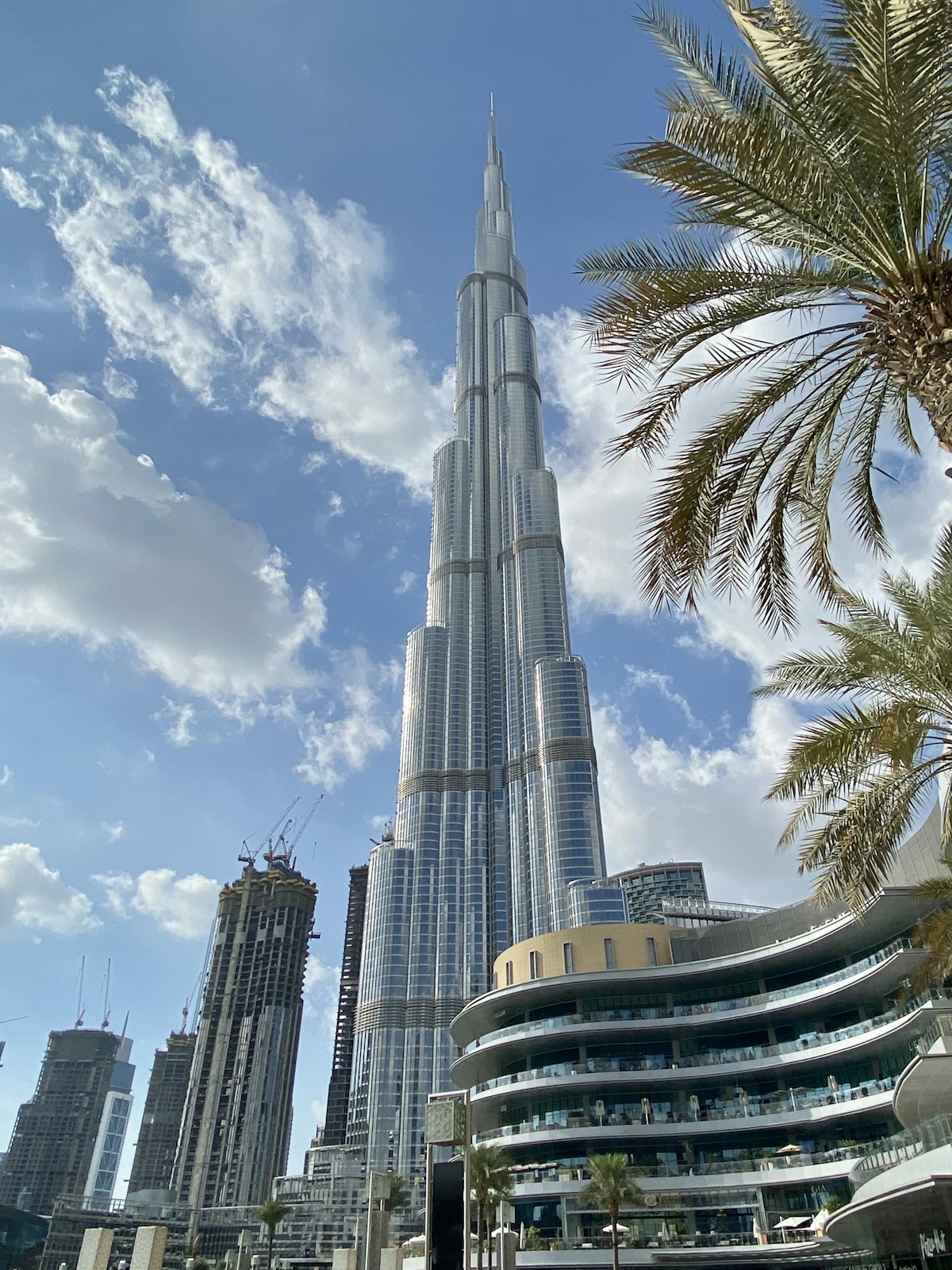
Downtown Dubai commands the highest rents in the city. Studios start at AED 60,000–85,000 per year. One-bedroom apartments range from AED 95,000 to AED 140,000+. Two-bedroom apartments start at AED 150,000 and can exceed AED 300,000 for premium towers near the Burj Khalifa.
Dubai Marina is slightly more affordable than Downtown. One-bedroom apartments cost AED 85,000–120,000 per year, and two-bedrooms run AED 144,000–240,000. Business Bay offers good value for a central location, with one-bedroom apartments starting from AED 72,000 per year.
JVC (Jumeirah Village Circle) is one of the most popular affordable areas. Studios cost AED 35,000–55,000, and one-bedrooms run AED 45,000–65,000 - roughly half the price of Marina or Downtown. Al Barsha is a central, mid-range neighbourhood near Mall of the Emirates, with one-bedroom apartments costing AED 48,000–72,000.
Deira remains the most affordable central area, with one-bedrooms at approximately AED 54,000 per year (AED 4,500 per month). Palm Jumeirah starts at AED 120,000+ for a one-bedroom, with villas reaching AED 500,000–1,000,000+.
Do not forget a refundable security deposit (5% of annual rent), agency fees (approximately 5%), Ejari registration (AED 220–620), and the housing fee (5% of annual rent, billed monthly through DEWA). Rents rose approximately 10–20% in 2025 compared to 2024, with growth expected to moderate into 2026.
Utilities and Bills
DEWA (electricity and water) for a studio apartment averages AED 200–600 per month, with the range reflecting winter versus summer usage. Air conditioning drives most of the variance - summer bills can be 2–3 times higher than winter. A one-bedroom apartment runs AED 250–650+, and a two-bedroom costs AED 400–800.
Electricity tariffs are slab-based: AED 0.23 per kWh for the first 2,000 kWh, rising to AED 0.38 per kWh above 6,000 kWh. Water tariffs (updated March 2025) start at AED 7.70 per cubic metre. DEWA requires a refundable deposit of AED 2,000 for apartments and AED 4,000 for villas.
District cooling (if your building is not chiller-free) is a significant cost that catches many newcomers off guard. Providers like Empower and Emicool charge a consumption rate of AED 0.568 per RT per hour plus an annual demand charge of AED 750 per RT. Average monthly bills range from AED 200–500+ for a one-bedroom apartment, with summer months being substantially higher. Chiller-free apartments save approximately AED 2,500 per year.
Internet through e& (formerly Etisalat) Neo fibre plans costs AED 399 per month for 1 Gbps. du Home Wireless starts from AED 229 per month. Basic TV plus internet packages begin around AED 250 per month. Mobile phone plans range from AED 150–220 for basic, AED 220–350 for mid-range data, and AED 500–600+ for premium plans with devices.
Groceries
A single person cooking at home can manage on AED 800–1,200 per month by shopping at budget supermarkets like Carrefour, Lulu Hypermarket, and Union Coop. A couple should budget AED 1,500–2,500. A family of four needs AED 2,500–4,000.
For reference: a litre of milk costs approximately AED 6–7, a loaf of bread AED 5–7, a kilogram of chicken breast AED 25–35, and a dozen eggs AED 10–15. Dubai imports roughly 90% of its food, so prices for fresh produce fluctuate seasonally.
Premium supermarkets like Spinneys, Waitrose, and Marks & Spencer can easily double your grocery bill compared to budget alternatives.
Transport
Public transport in Dubai is clean, safe, and affordable. A Silver Nol card costs AED 25 (including AED 19 credit). Single journey fares range from AED 3 to AED 7.50 depending on zones. Monthly passes cost AED 140 for one zone, AED 230 for two zones, and AED 350 for all zones.
Fuel is dramatically cheaper than Europe. Special 95 petrol costs approximately AED 2.63–2.83 per litre (around £0.53–0.57 or $0.72–0.77). Monthly petrol costs range from AED 300–700 for a small car to AED 1,500–2,000 for larger vehicles with long commutes.
Salik tolls switched to variable pricing on January 31, 2025. Peak hours (6–10am and 4–8pm on weekdays) cost AED 6 per crossing. Off-peak (10am–4pm and 8pm–1am) costs AED 4. Late night (1–6am) is free. Sundays are AED 4 flat rate. With 10 toll gates across Dubai, a typical daily commuter pays AED 160–360 per month. The Salik tag costs AED 100 (AED 50 goes to your balance). Car insurance runs AED 1,200–5,000 per year depending on vehicle type and coverage level.
Health Insurance
Health insurance is mandatory across all seven emirates as of January 2025. The Basic Health Insurance Package costs AED 320 per year for ages 1–64 and provides access to 7 hospitals, 46 clinics, and 45 pharmacies. Co-payments under the basic plan are 20% for inpatient treatment (capped at AED 500 per visit), 25% for outpatient visits (capped at AED 100), and 30% for medications (capped at AED 1,500 per year).
Mid-range individual plans cost AED 3,000–4,000 per year, while premium comprehensive plans run AED 5,000–20,000+ per year. For families, a semi-comprehensive plan for four people costs AED 6,200–10,000 per year, and a comprehensive family plan runs AED 10,000–28,000 per year. Without insurance, a GP consultation costs AED 150–300, and specialist visits can run AED 300–600.
Education Costs
If you have children, school fees will likely be your second-largest expense after rent. All expat children in Dubai attend private schools - there is no free public school option for non-Emiratis.
Annual tuition fees by curriculum: British (IGCSE/A-Level) costs AED 25,000-110,000, American curriculum AED 35,000-80,000, International Baccalaureate AED 40,000-110,000, and Indian (CBSE/ICSE) AED 4,000-56,700. Nursery fees range from AED 15,000 to AED 70,000+ per year.
On top of tuition, budget AED 15,000–30,000 per child per year for transport, uniforms, books, and extracurricular activities. School bus costs average approximately AED 2,377 per term. KHDA caps annual fee increases at 2.35% for the 2025–26 academic year.
Three Lifestyle Tiers: What You Actually Spend
Budget Tier: AED 7,000–12,000 per Month (Single Person)
A studio or shared flat in JVC or Discovery Gardens costs AED 3,000–4,500 per month. DEWA and internet add AED 400–600. Groceries run AED 800–1,200. Transport via Metro and bus costs AED 300–500. Minimal dining out adds AED 300–500. A basic mobile plan is AED 150–200. Health insurance is provided by your employer. This lifestyle works for single entry-level professionals and is perfectly comfortable - JVC and Discovery Gardens are well-connected communities with supermarkets, restaurants, and gym facilities.
Comfortable Tier: AED 15,000–25,000 per Month
A one-bedroom in Business Bay, JLT, or Dubai Marina costs AED 6,000–9,000 per month. DEWA, district cooling, and internet add AED 700–1,200. Groceries for a couple are AED 1,500–2,500. Car costs (loan payment, fuel, insurance, Salik, parking) run AED 1,500–2,500. Regular dining out adds AED 1,500–2,500. Entertainment, gym, and personal expenses cost AED 1,000–2,000. This tier is the sweet spot for mid-level professionals and couples without children. You can enjoy Dubai's restaurants, beaches, and social scene without watching every dirham.
Premium Tier: AED 30,000–50,000+ per Month
A two or three-bedroom apartment in Marina, Downtown, or Palm Jumeirah costs AED 12,000–20,000. School fees for two children at a mid-range British school add AED 8,000–15,000 (amortised monthly). Premium groceries cost AED 3,000–4,500. Car, fuel, tolls, and parking run AED 3,000–5,000. Dining, entertainment, and leisure add AED 3,000–5,000. Domestic help costs AED 3,000–4,000. This is the lifestyle most families with children in private school require. The school fees alone make this tier expensive - a family of four with two children in British curriculum schools needs a minimum household income of AED 35,000–40,000 per month to live comfortably.
Minimum Salary Recommendations
For a single person, the budget minimum is AED 8,000–12,000 per month, a comfortable salary is AED 15,000–20,000, and a premium lifestyle requires AED 25,000–35,000. A couple without kids needs a minimum of AED 12,000–16,000, is comfortable at AED 20,000–28,000, and lives at a premium level on AED 35,000–50,000. A family of two adults and two children needs at least AED 18,000–22,000 on a tight budget, AED 30,000–40,000 for a comfortable life, and AED 50,000–80,000+ for a premium lifestyle.
These figures assume rent paid by cheque (not included in employer housing allowance). If your employer provides accommodation or a housing allowance, you can subtract AED 3,000–12,000 per month from these figures.

The Tax-Free Advantage: Why Dubai Salaries Go Further
This is the single most important factor that makes Dubai financially attractive. There is no personal income tax, no capital gains tax, no wealth tax, and no inheritance tax. To understand the real impact, consider what you actually keep in Dubai versus other countries.
A UK salary of £60,000 loses £11,432 in income tax and £3,211 in National Insurance, leaving you with approximately £45,357 per year (£3,780 per month). Add a Plan 2 student loan and the net drops further to around £42,414 per year. That means roughly 29% of your gross salary disappears before you spend a single pound. The Dubai equivalent - AED 300,000 per year (£60,000) - is yours in full. You keep every dirham. That is a saving of approximately £14,643 per year at this salary level.
At £80,000, you keep approximately £56,957 in the UK after tax and NI. In Dubai, you keep the full AED 400,000 (£80,000). Annual saving: approximately £23,043.
At £100,000, the UK tax burden becomes even steeper. Income tax of £27,432 plus NI of £4,011 leaves you with approximately £68,557. But there is a hidden trap: the personal allowance tapers above £100,000, creating an effective marginal tax rate of 60% between £100,000 and £125,140. In Dubai, AED 500,000 (£100,000) is yours entirely. Annual saving: approximately £31,443.
Tax-free savings at a glance: on a UK gross of £60,000 (UK take-home £45,357), moving to Dubai saves you approximately £14,643 per year. At £80,000 (UK take-home £56,957), the saving is approximately £23,043 per year. At £100,000 (UK take-home £68,557), the saving is approximately £31,443 per year.
For US residents, the comparison is equally compelling. Federal income tax plus FICA on $98,000 leaves approximately $72,000–75,000 after tax. The Dubai equivalent of AED 360,000 ($98,000) is kept in full.
What Employers Should Include in Your Package
While full traditional expat packages with housing, flights, and school fees are becoming less common, the best offers still include several components beyond base salary. Your basic salary typically makes up about 60% of the total package. A housing allowance of AED 5,000–15,000 per month is standard at mid-to-senior levels. Transport allowances run AED 1,500–3,000 per month. Most packages include one or two annual return flights for you and your family.
If you have children, an education allowance of AED 30,000–80,000 per child per year can make an enormous difference. Relocation allowances range from AED 5,000 to AED 50,000+ as a one-time payment. End-of-service gratuity is a legal entitlement: 21 days of basic salary per year for the first 5 years of service, and 30 days per year for each subsequent year.
When evaluating a Dubai job offer, always calculate the total package value - not just the headline salary. A lower base salary with housing, school fees, and flights can be worth significantly more than a higher salary with no allowances.
The Bottom Line
A single professional earning AED 12,000–15,000 per month can live comfortably in Dubai, save money, and enjoy the lifestyle. A couple without children needs AED 20,000–28,000 per month for a genuinely comfortable life. A family with two children needs AED 30,000–40,000 per month if the children attend mid-range private schools.
Factor in the zero income tax, and the real question becomes: can you earn enough in Dubai to match or exceed your net income at home? For most professionals earning the equivalent of £50,000+ in the UK, US, or Australia, the answer is almost certainly yes.
Salary and cost data reflects 2025–2026 figures. Exchange rates used: £1 ≈ AED 5.00, $1 ≈ AED 3.67. Rent data is from mid-to-late 2025 market rates. All costs are subject to change. ReloDXB is an independent platform and is not affiliated with or endorsed by any UAE government entity.