If you're reading this, you've probably seen the headlines. Iran launched missiles and drones at the UAE. Dubai's airport was hit. Hotels made the news for the wrong reasons. And now you're wondering: what does this actually mean for property prices in Dubai?
Let's cut through the noise with real data, not panic and not spin.

What Actually Happened
Starting February 28, 2026, Iran launched retaliatory strikes against multiple Gulf states following US-Israeli operations against Iranian military infrastructure. The UAE was targeted with over 200 ballistic missiles and more than 1,400 drones.
Here's the part that matters: the UAE's air defence systems intercepted 92–94% of everything fired at it. Out of 205 ballistic missiles detected, 190 were destroyed. Out of 1,184 drones, 1,110 were intercepted. The UAE Ministry of Defence confirmed these numbers publicly.
Were there impacts? Yes. Dubai International Airport was disrupted. There was debris damage near some landmark buildings. Three foreign nationals lost their lives, and over 100 people sustained mostly minor injuries from falling debris. This is real and it matters.
But the narrative that Dubai is "under siege" or "destroyed" - which gained traction on social media - doesn't match what's actually happening on the ground. Dubai Mall was back to 190,000 daily visitors within a week. Restaurants are operating at 80–85% of normal capacity. Schools are open. Life hasn't stopped.
What the Property Market Is Actually Doing
Let's look at the numbers, not opinions.
Before the conflict, Dubai was coming off its strongest property year in history. Total 2025 transactions hit AED 917 billion (~$250 billion) across 270,000+ deals. January 2026 alone saw 21,884 transactions worth AED 107.96 billion - an 86.5% jump in value year-on-year. Emaar reported its best-ever start to a year, with AED 17.2 billion in January–February sales, up 118%.
After the strikes began, the market didn't crash. It paused. This is an important distinction. Transaction activity slowed as some buyers shifted into "wait-and-watch" mode - particularly in the mid-market segment (AED 1.5M–4M). That's a rational, expected response to uncertainty.
What's telling is what didn't happen:
- No mass sell-off. There are no reports of widespread panic selling from any credible source
- No price collapse. Mid-market buyers are negotiating 3–7% discounts - meaningful, but not a crash
- Ultra-luxury is still moving. A record AED 422 million apartment sale at Aman Residences closed during the first week of the conflict
- 70% of surveyed buyers still plan to purchase within six months, according to Map Homes Real Estate
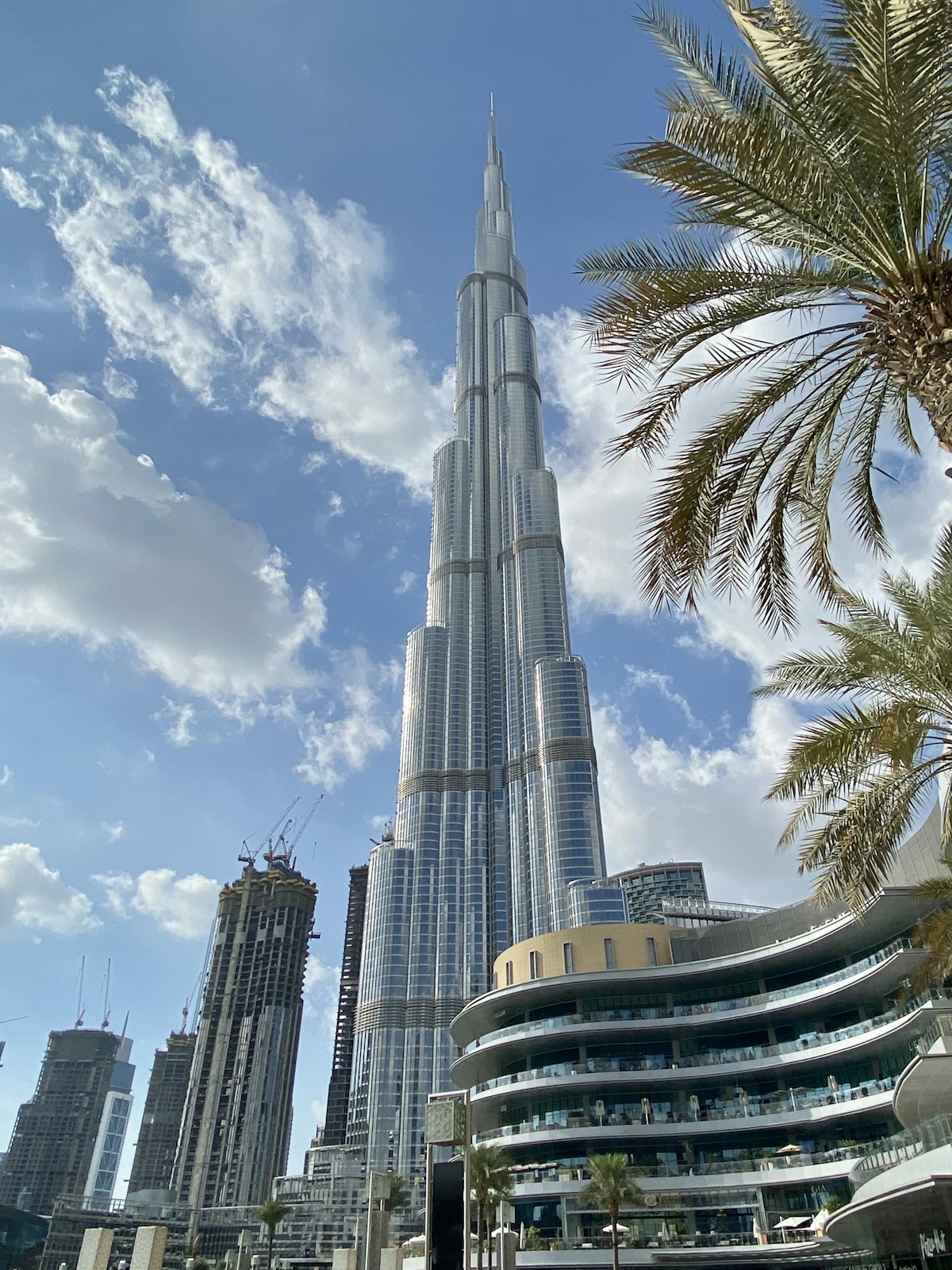
Why Dubai's Market Is Structurally Different From What You'd Expect
Three factors make Dubai's property market unusually resilient to geopolitical shocks.
1. It's a Cash Market
This is the single most important factor. According to Knight Frank, 87% of Dubai property transactions are cash purchases. In markets like the US, UK, or Australia, property downturns are amplified by mortgage defaults - people can't pay, banks foreclose, supply floods the market, prices spiral. That mechanism barely exists in Dubai. As Emaar founder Mohamed Alabbar told CNBC on March 6: "Our real estate business is not built on bank borrowing. Bank borrowing is very restricted in this market."
Key insight: No leverage means no forced selling cascade. This is the structural reason why Dubai's property market behaves differently from Western markets during crises.
2. The Golden Visa Effect
Since the UAE introduced the Golden Visa (10-year residency for property purchases of AED 2M+), a structural floor has formed under the upper end of the market. Golden Visa holders aren't flipping properties - they're buying long-term residency and lifestyle. That capital is sticky. Even during the current uncertainty, Golden Visa applications haven't stopped.
3. Dubai Has Done This Before
Dubai's property market has survived - and thrived after - multiple crises:
- 2008 Global Financial Crisis: Prices dropped 50–60%, but the market fully recovered and eventually exceeded pre-crisis levels
- 2014–2019 correction: 25–30% price decline from oil price drops and oversupply, followed by the strongest bull run in Dubai's history
- COVID-19 (2020): Brief 12–18 month disruption, followed by five consecutive years of growth
- 2022 Houthi attacks on Abu Dhabi: Three civilians killed - and 2022 became a record transaction year, fueled by Russian capital flight from Ukraine sanctions
The pattern is consistent: short-term shock, followed by recovery that often exceeds the previous peak.
What Emaar's Alabbar Actually Said
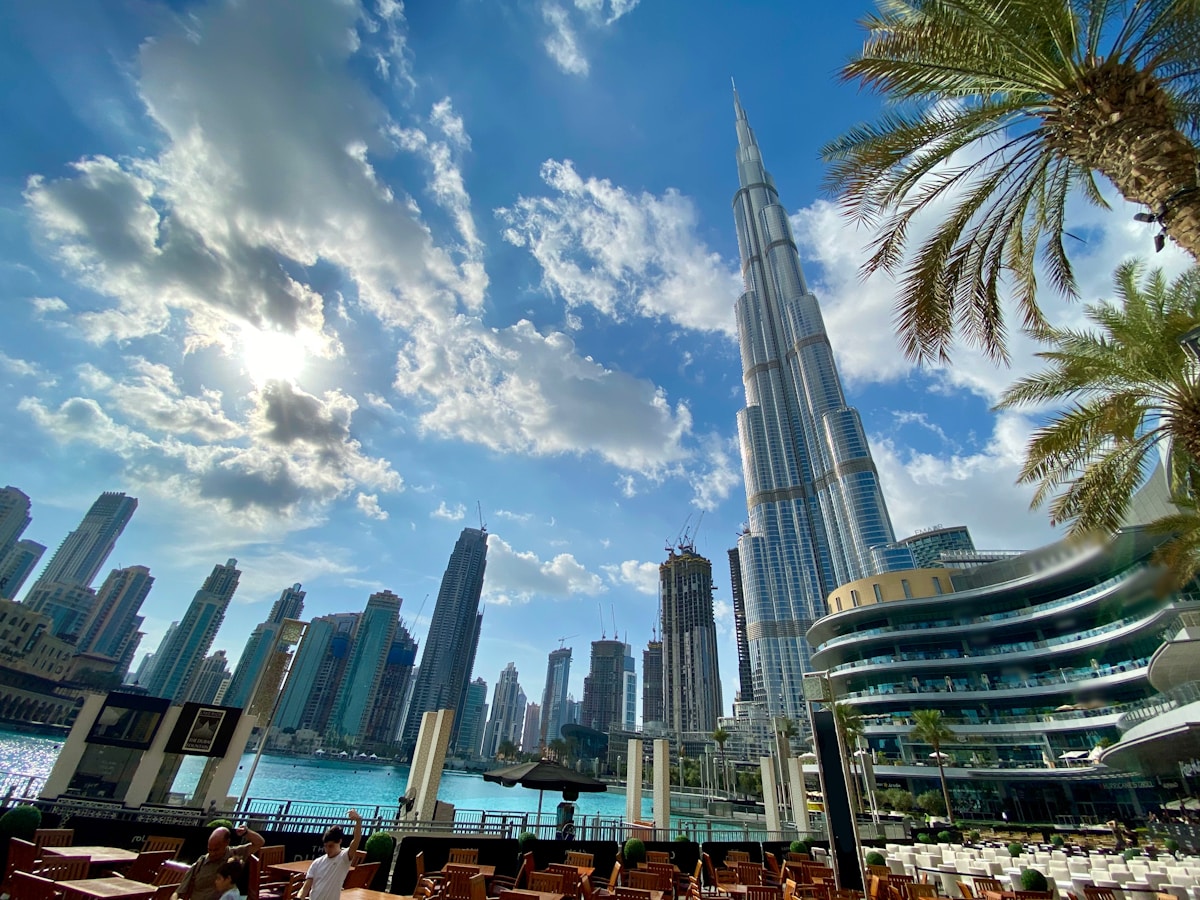
Mohamed Alabbar, founder of Emaar Properties (the company behind the Burj Khalifa, Dubai Mall, and much of Downtown Dubai), gave a detailed interview to CNBC on March 6. His key points:
- He acknowledged the strikes were "surprising and shocking"
- He said there "could be a bit of a cooldown" but he didn't see evidence of one
- He pointed out that Dubai's market has grown 70% in 2023, 40% in 2024, and another 40% in 2025 - built on "years of great policies and stability"
- He noted that the new supply coming in 2026–2027 would actually help the market by keeping price growth sustainable
- He stated: "People with true capital understand that a country like this, with stable leadership and the safety it has shown, can deliver. They will double down on this"
Is Alabbar biased? Of course - he runs the country's largest developer. But the data backs up his core argument: no crash, no mass exit, and structural fundamentals intact.
The UAE's Defence Proved Something Important
Here's something the property market commentary has largely missed: the UAE's military response was genuinely impressive. A 92–94% interception rate against a massive combined missile and drone attack is a result that matches or exceeds what Israel's Iron Dome has historically achieved. The UAE Ministry of Defence publicly released detailed daily intercept figures - a level of transparency that surprised many observers.
Iran's strike intensity dropped 90% for ballistic missiles and 83% for drones within the first week, according to the Wall Street Journal. The strikes are declining, not escalating.
For property investors, this matters because security capability - not just security narrative - has been demonstrated under real combat conditions. The UAE didn't just claim it was safe. It proved it could defend itself against a nation-state attack.
Who's Actually Buying Right Now
The buyers who are active during this window fall into three categories:
1. Long-term residents who already live in Dubai, understand the market, and recognise the current pause as an opportunity to negotiate. These buyers are getting 3–7% below pre-conflict asking prices in the mid-market segment.
2. Institutional and UHNW investors who've seen this pattern before and are positioned to buy during sentiment dips. The AED 422 million Aman Residences sale is the clearest signal.
3. Regional capital from conflict-affected areas. During the Russia-Ukraine war, Russian buyers became Dubai's top foreign investor group, with prime area prices surging 44%. A similar capital-flow pattern from the broader Middle East is expected.
Indian nationals - who represent 20–22% of all foreign property purchases in Dubai - are reported to be in a mixed position. Some are reconsidering, while others see opportunity. The long-term trend of Indian investment into Dubai has survived multiple geopolitical cycles.
What About Risks? Let's Be Honest
No credible analysis pretends there are zero risks. Here's what to watch:
- If the conflict extends beyond weeks into months, the impact on tourism (23–38 million fewer visitors according to ANAROCK estimates) would put serious pressure on short-term rental yields and hospitality-linked properties
- New supply pipeline: Approximately 120,000 units are expected for handover in 2026 - double the usual volume. If buyer demand softens while supply increases, some segments could see correction
- Strait of Hormuz disruption has cut tanker traffic from 24 daily vessels to 4. If prolonged, this creates broader economic pressure on the entire Gulf
- Off-plan purchases (62–65% of current transactions) are the most sensitive to confidence shifts, since they're bets on future value
These are real factors. But notice what's absent from this list: mortgage defaults, banking crises, or systemic financial contagion. Dubai's cash-heavy market structure means the downside scenario is a 10–15% correction over months - not a 2008-style collapse.
So Is Now a Good Time to Buy?
If you've been watching Dubai's market for the past two years, you know that getting any discount was nearly impossible. Properties were selling at asking price within days. Multiple offers were standard. Sellers held all the leverage.
That dynamic has shifted - temporarily. Mid-market buyers are negotiating successfully for the first time in years. Due diligence timelines have extended by 4–8 weeks. Some sellers are more motivated.
If you're buying to live in Dubai long-term (3+ years), the current window offers better negotiating leverage than anything available in 2024 or 2025. The fundamentals that drove five years of consecutive growth - zero income tax, Golden Visa, world-class infrastructure, lifestyle, and geographic position - haven't changed.
If you're buying purely as an investment, the honest answer is: it depends on your time horizon. Short-term (under 2 years), there's genuine uncertainty. Long-term (5+ years), Dubai's track record of post-crisis recovery is the strongest signal available.
As Dr. Prashant Thakur of ANAROCK Group put it: "If history is any guide, Dubai's real estate market has repeatedly demonstrated that it can recover faster than many global property markets."
The Bottom Line
Dubai's property market hasn't crashed. It's paused. The data shows no mass sell-off, no price collapse, and continued activity in the luxury segment. The UAE's air defence capability exceeded expectations. The market's cash-heavy structure provides a natural buffer against the kind of forced-selling spirals that devastate leveraged markets.
The conflict is real and its outcome is uncertain. But Dubai's fundamentals - the policies, the infrastructure, the tax environment, and the leadership's track record - remain intact. For buyers with conviction and a long-term view, this may be one of the better entry points in years.
For everyone else, there's no shame in waiting for clarity. The market will still be here.

This article is for informational purposes only and does not constitute financial or investment advice. Property markets carry risk, and past performance is not a guarantee of future results. Always consult with a qualified financial advisor before making investment decisions.
Sources: CNBC, Gulf News, Khaleej Times, Invezz, Map Homes Real Estate, Propheadlines, ANAROCK Group, Knight Frank, UAE Ministry of Defence, Economy Middle East, Emaar Properties
Related Articles
Dubai Golden Visa Guide 2026
Every category, requirement, and how to apply - including property investor visas.
Best Neighborhoods in Dubai 2026
Area-by-area guide with prices, lifestyle, and who each neighborhood suits best.
Is Dubai Safe in 2026?
An honest update on safety after the Iran conflict - ceasefire status, flights, and daily life on the ground.