Dubai doesn't have to drain your bank account. Smart expats have figured out how to live comfortably while saving AED 50,000+ annually. These aren't extreme frugality tactics - they're practical strategies that maintain quality of life while dramatically cutting costs. Here are 15 proven money-saving tips with exact calculations showing how much you'll save.
By implementing just 8-10 of these strategies, you can realistically save AED 50,000-80,000 per year. That's money you can invest, send home, or use to travel the world. The biggest wins come from skipping the car (AED 30,000-40,000/year), choosing chiller-free apartments (AED 11,000/year), and cooking at home 80% of the time (AED 36,000/year) - plus 12 more strategies detailed below.

1. Choose Chiller-Free Apartments
Annual Savings: AED 11,000
District cooling (chiller systems) is one of the biggest hidden costs in Dubai. Many newer buildings in Marina, JBR, Downtown, and Business Bay use centralized cooling systems that charge you separately from DEWA. These bills can be shocking - AED 1,500-2,000+ per month in summer.
Chiller-free buildings have individual AC units where electricity goes through your DEWA bill. These are dramatically cheaper to run. You'll find chiller-free apartments in Jumeirah Village Circle (JVC), where almost all buildings qualify, as well as older Marina towers built before 2008, most villas and townhouses, and communities like Discovery Gardens, International City, and Dubai Silicon Oasis.
With district cooling, a summer DEWA bill runs AED 200-300, but the chiller bill adds AED 1,500-2,000, bringing the total summer month to AED 1,700-2,300. With a chiller-free apartment, the summer DEWA bill is AED 600-800 and that is your total summer month cost: AED 600-800.
Real example: A 2BR in Marina with district cooling costs approximately AED 18,000/year in cooling (6 summer months x AED 1,800 + 6 mild months x AED 800). The same sized apartment in JVC costs about AED 7,000/year total for all utilities.
How to ask before viewing. Always ask agents: "Is this building chiller-free or district cooling?" They must disclose this. Also check the listing details - many mention "Chiller Free" as a selling point. If they're evasive, it's probably district cooling.
2. Live Near Metro, Skip the Car
Annual Savings: AED 30,000-40,000
This is the single biggest money-saver for singles and couples without kids. Car ownership in Dubai is expensive when you add everything up.
Car ownership costs add up fast: car payment/lease AED 20,000-35,000/year, insurance AED 3,000-6,000/year, fuel AED 8,000-12,000/year, parking AED 2,000-4,000/year, maintenance AED 2,000-3,000/year, and Salik tolls AED 1,500/year. Total car ownership comes to AED 36,500-61,500/year. Compare that to a Metro annual pass at just AED 3,600/year.
The Dubai Metro is clean, reliable, and extensive. Best metro-accessible areas include JLT (Jumeirah Lake Towers) with multiple metro stations and walkable access to Marina, Business Bay which is one stop from Downtown and close to DIFC, DIFC itself as a financial hub with its own metro station, and Deira and Bur Dubai where extensive metro coverage keeps things very affordable.
When you do need a car. Families with kids in schools far from metro lines will likely need a car. School runs aren't metro-friendly. However, singles and couples can almost always make metro + occasional Uber work for 85% less cost.
3. Cook at Home 80% of Time
Annual Savings: AED 36,000
Restaurant meals in Dubai aren't cheap. Even casual dining adds up quickly when you eat out twice daily. A breakfast that costs AED 40-60 at a restaurant can be made at home for AED 8-12, saving about AED 35 per meal. Lunch runs AED 50-80 eating out versus AED 12-18 at home, saving roughly AED 50. Dinner is the biggest gap - AED 80-150 at a restaurant versus AED 15-25 home-cooked, a savings of around AED 90 per meal.
If you're eating out twice daily (lunch + dinner), that's 60 meals per month. At an average AED 90 savings per meal, you're throwing away AED 5,400/month = AED 64,800/year.
Even cooking 80% of meals (still eating out 12 times/month) saves you AED 36,000 annually. Plus home cooking is healthier.
For smart shopping, stick to Lulu, Nesto, or Carrefour rather than Waitrose or Spinneys, which are 40% more expensive. Bulk buy rice, lentils, and oil at wholesale markets in Deira. Buy store brands instead of name brands for the same quality at 30% less. And meal prep on weekends to avoid those "too tired to cook" takeout orders.

4. Skip Alcohol or Drink at Home
Annual Savings: AED 24,000
Alcohol at bars and restaurants in Dubai has massive markups. A beer costs AED 45-60 at a bar versus AED 12-18 at home, saving about AED 35. A cocktail runs AED 70-100 out versus AED 15-25 mixed at home, saving around AED 70. A bottle of wine at a restaurant costs AED 180-350 compared to AED 45-80 from a store, a difference of roughly AED 200.
If you go out drinking twice per week (8 nights per month), spending an average of AED 250 per night, that's AED 2,000/month = AED 24,000/year.
You can get an alcohol license (non-Muslim residents only) and buy from African + Eastern or MMI liquor stores. Drinking at home or at friends' places costs about 70% less.
Alcohol license info. Non-Muslim residents can get a 30-day alcohol license for free (used to be AED 270/year). Apply online through African + Eastern or MMI websites. You'll need your Emirates ID and salary certificate.
5. Use Entertainer App
Annual Savings: AED 6,850 (net after cost)
The Entertainer app costs AED 350/year and offers 2-for-1 deals at over 1,000 restaurants, plus spa treatments, fitness classes, and hotel stays.
The math: If you dine out just twice per month using the app, that's 24 meals. Average restaurant bill for two: AED 300. You save AED 150 per use (50% off), totaling AED 3,600 in savings annually. The app pays for itself in 2-3 uses.
Many expats save AED 10,000-15,000 per year using Entertainer for dining, spa days, and staycations. Restaurants include Zuma, La Petite Maison, Coya, and hundreds of casual favorites.
6. Negotiate Rent Every Year
Annual Savings: AED 10,000
Dubai's rental market fluctuates. Landlords want to keep good tenants because vacancy costs them money. You have negotiating power - use it.
Start by checking the RERA rent calculator, which caps how much landlords can increase rent based on similar properties. Contact your landlord 3-4 months before your lease ends. Do your research and find comparable units listed for less on Property Finder or Dubizzle. Ask for a 5-10% reduction, or at minimum, a same-rate renewal with no increase. Use leverage - tell the landlord you've found a similar unit for AED X less and ask if they can match. Be polite throughout and emphasize that you're a good tenant who pays on time.
On a AED 100,000 annual rent, a 10% reduction saves you AED 10,000 per year. Even 5% is AED 5,000. Landlords often agree to avoid the hassle and cost of finding new tenants.
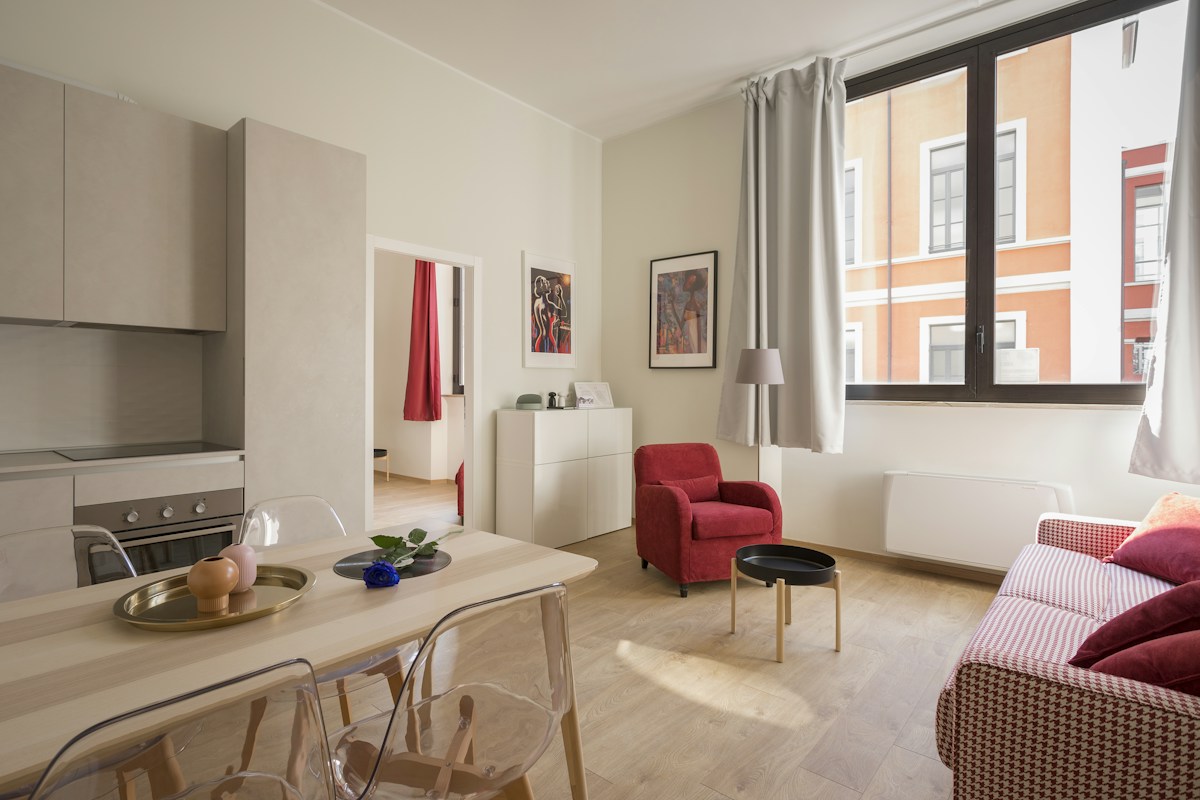
7. Buy Used Furniture on Dubizzle
One-Time Savings: AED 15,000-20,000
Dubizzle is a goldmine for furniture. Expats leaving Dubai sell entire apartment setups for a fraction of original cost. You'll find barely-used IKEA, Home Centre, and even high-end furniture at 50-70% off.
Typical prices new versus used: a 2BR full furniture package costs AED 30,000-40,000 new versus AED 10,000-15,000 used, a sofa set AED 5,000-8,000 new versus AED 1,500-3,000 used, a bed and mattress AED 3,000-5,000 new versus AED 800-1,500 used, and a dining table with 6 chairs AED 3,000-6,000 new versus AED 800-2,000 used.
Best time to buy: June-August (summer exodus when expats leave for home countries). Supply is high, prices are negotiable.
Inspect everything in person before buying. Always negotiate - sellers expect it, so offer 20% less than asking. Search for "leaving Dubai" or "full apartment" for package deals. Arrange your own pickup truck from Dubizzle movers for AED 100-150.
8. Time Your Move to Off-Season
Annual Savings: AED 20,000-25,000
Rental prices in Dubai fluctuate seasonally. Peak season (September-November) coincides with back-to-school when families arrive. Off-season (June-August) is when people leave for summer.
Summer advantages are significant. Rent is 15-25% cheaper than peak season, landlords are desperate to fill vacancies, you can negotiate better terms such as 4 cheques instead of 1 or waived agency fees, some landlords offer 1 month free on annual contracts, and less competition means you can be pickier about what you choose.
On a AED 100,000 rent, saving 20% = AED 20,000 per year. Plus skipping the 5% agency fee saves another AED 5,000.
Yes, it's hot. Moving in July/August means dealing with 45 degrees C heat. But viewings are in air-conditioned buildings, and movers work early morning. The savings are worth a few sweaty hours.
9. Share Accommodation
Annual Savings: AED 20,000
Room sharing isn't just for broke newcomers - many young professionals share 2-3BR apartments to save serious money while living in premium locations.
Studio alone: rent AED 45,000/year, DEWA AED 6,000/year, internet AED 4,800/year, total AED 55,800/year. Shared 2BR: rent AED 25,000/year, DEWA AED 3,000/year, internet AED 2,400/year, total AED 30,400/year - saving AED 25,400.
Plus, your roommate might already have furniture, saving you another AED 5,000-10,000 in setup costs.
To find roommates, try Facebook groups like "Dubai Expat Roommates" and "Accommodation in Dubai," search Dubizzle for "room for rent" or "looking for roommate," ask colleagues at work, or look into co-living companies like Nestaway and Spot that offer managed shared housing.
10. Use Generic/Budget Gyms
Annual Savings: AED 3,600
Premium gyms like Fitness First charge AED 500-800/month, which works out to AED 6,000-9,600 per year. Budget alternatives like Smart Fit and GymNation basic cost AED 150-250/month (AED 1,800-3,000/year) and offer the same equipment for a fraction of the cost. Your building gym is included in your rent at no extra cost, and outdoor or home workouts are completely free.
Many apartment buildings have decent gyms included in your rent. If yours does, you're essentially throwing away AED 6,000-9,000/year paying for an external gym.
Outdoor exercise is also viable 9 months of the year in Dubai. Kite Beach, Safa Park, and the Marina Walk are free workout spots.
11. Shop End-of-Season Sales
Annual Savings: AED 5,000
Dubai has three major shopping festivals with genuine discounts. The Dubai Shopping Festival in January-February offers 25-75% off fashion, electronics, and home goods. Dubai Summer Surprises in July-August brings 25-60% off everything. And Black Friday in November delivers 30-70% off, especially online.
Online retailers like Namshi, 6thStreet, and Noon have weekly flash sales. Sign up for newsletters to get early access codes.
Never buy full-price fashion in Dubai. Wait for sales. If you need something immediately, check outlet stores at Dubai Outlet Mall or Dragon Mart. The average expat spends AED 8,000/year on clothing and household items. Buying exclusively during sales cuts this to AED 3,000-4,000 = AED 5,000 saved.

12. Get Health Insurance with Lower Co-Pays
Annual Savings: AED 2,000 (if you use healthcare often)
This is counterintuitive but important: If you visit doctors frequently, paying AED 2,000 more for comprehensive insurance with lower co-pays saves money versus cheap insurance with AED 50 co-pays per visit.
An enhanced plan with an AED 2,500 annual premium and AED 50 co-pay per visit costs AED 3,500 total if you have 20 visits per year. A comprehensive plan at AED 5,000 annual premium with AED 0-20 co-pays costs AED 5,000 total regardless. But if you hit 50+ visits per year, the enhanced plan also reaches AED 5,000+ in total costs, making the comprehensive plan the better value.
Balance premium versus co-pay based on your health needs. Chronic conditions or families with young kids should invest in better coverage upfront.
13. Pack Lunch for Work
Annual Savings: AED 8,400
Work lunch is a silent budget killer. That "only AED 40" meal adds up. Lunch out costs AED 40-60 per day, while a packed lunch runs AED 8-15 per day using leftovers from dinner. That's a daily savings of AED 35, which translates to AED 700 per month across 20 workdays, or AED 8,400 per year.
Make extra portions at dinner and bring leftovers. Invest in a good lunch box and insulated bag. Most offices have microwaves and fridges.
14. Avoid Tourist Traps & Overpriced Areas
Annual Savings: AED 8,000
Marina Walk, JBR, Downtown Dubai restaurants charge a 40-60% premium for location. The same food costs half in local areas. A shawarma runs AED 35-45 in tourist areas versus AED 12-18 locally. Dinner for two costs AED 200-300 versus AED 80-120 in local neighborhoods. Even coffee is AED 30-40 in tourist zones compared to AED 10-15 elsewhere.
Explore authentic, affordable areas instead. Karama has excellent Pakistani and Indian food for AED 15-30 per person. Satwa offers Lebanese, Indian, and Filipino cuisine at local prices. Al Rigga has a mix of cuisines and is walkable from the metro. Deira is full of cheap cafeterias and traditional Arabic food. Bur Dubai offers international budget dining of all kinds.
If you replace 20 tourist-area meals with local-area meals monthly, average savings of AED 70 per meal = AED 1,400/month = AED 16,800/year. Even doing this half the time saves AED 8,000+.
15. Use Public Beaches
Annual Savings: AED 6,000
Beach clubs (Nikki Beach, Zero Gravity, etc.) charge AED 200-500 per person for day access. Dubai has excellent free public beaches instead. Kite Beach offers watersports, food trucks, and volleyball courts. Sunset Beach has views of Burj Al Arab and is great for swimming. JBR Beach has public sections with showers and changing rooms. La Mer provides a mix of free beach access and paid clubs.
Bring your own towels, umbrella, and cooler with snacks/drinks. Public beaches have free parking on weekdays (paid on weekends, but only AED 20-30).
If you go twice monthly: 24 beach visits x AED 250 average club entry = AED 6,000/year saved.
Bonus Money-Saving Tips
Use Nol card instead of taxis. Metro and bus cost 70% less than Uber or taxi for the same route.
Shop at Lulu/Nesto not Waitrose. Save 30-40% on the exact same branded products.
Buy during VAT-free weekends. UAE occasionally runs tax-free shopping weekends where you save 5% on everything.
Carpool with colleagues. Split fuel and Salik costs. Most companies have internal carpool groups.
Cancel unused subscriptions. Netflix, Spotify, unused gym memberships add up to AED 200-300/month.
Use free events. Check Dubai Calendar website for free concerts, festivals, outdoor movies, and exhibitions.
Negotiate everything. Rent, agent fees, car insurance are all negotiable in Dubai. Don't accept the first price.
Buy refurbished electronics. Sharaf DG outlet, Jumbo Electronics outlet, and Souq.com warehouse deals offer genuine products with warranties at 40-60% off.
Complete Savings Scenario: Luxury vs Smart Saver
Let's compare two Dubai lifestyles to see the dramatic difference these tips make.
Luxury Expat Lifestyle
Monthly spending: AED 22,750 | Annual: AED 273,000
2BR Marina with district cooling AED 145,000/year, car ownership (lease + costs) AED 35,000/year, dining out 15x/month AED 36,000/year, alcohol at bars 2x/week AED 24,000/year, Fitness First membership AED 7,200/year, beach club visits AED 6,000/year, shopping full price AED 8,000/year, work lunch out daily AED 12,000/year. Total annual spending: AED 273,000.
Smart Saver Lifestyle
Monthly spending: AED 9,350 | Annual: AED 112,200
2BR JVC chiller-free AED 85,000/year, metro only (annual pass) AED 3,600/year, cook 80% with Entertainer for dining AED 12,000/year, alcohol at home occasionally AED 3,000/year, building/budget gym AED 2,000/year, public beaches only AED 0/year, shop sales only AED 3,000/year, pack lunch daily AED 3,600/year. Total annual spending: AED 112,200.
The annual difference between these two lifestyles is AED 160,800, approximately USD $43,800 saved per year. That's money for investments, travel, sending home, or early retirement.
What NOT to Sacrifice
Health insurance. Don't go basic if you need coverage. Medical bills without proper insurance can wipe out years of savings.
Safety. Don't live in unsafe areas to save AED 1,000-2,000. Dubai is generally safe, but some older buildings have fire safety issues.
Education. If you have kids, school quality matters for their future. Don't go ultra-budget on education.
Emergency fund. Always maintain 3-6 months of expenses saved. Dubai visa requires employment - job loss means you must leave within 30 days.
Mental health. Some spending on social life, hobbies, and entertainment is necessary. Don't become a hermit to save money.
Your Action Plan: How to Implement
Don't try to implement everything at once. Start with high-impact changes.
Month 1: Big Decisions
Choose a chiller-free apartment when your next lease is due. Decide if you really need a car by trying metro + Uber for a month. Negotiate rent if renewal is coming up.
Month 2: Daily Habits
Start cooking at home 80% of the time. Pack lunch for work every day. Cancel unused subscriptions.
Month 3: Smart Tools
Download the Entertainer app (AED 350 investment pays back in 3 uses). Find a budget gym or use your building gym. Switch to public beaches instead of beach clubs.
Month 6: One-Time Savings
Buy any needed furniture on Dubizzle, especially during the June-August window. Shop only during sales (DSF, DSS, Black Friday). Explore local affordable restaurants in Karama, Satwa, and Deira.
Potential total savings: AED 50,000-80,000 per year by implementing 8-10 of these strategies. That's the difference between living paycheck-to-paycheck and building real wealth during your Dubai years.
Final Thoughts
Dubai's tax-free salaries are a massive advantage, but only if you're smart about spending. The luxury lifestyle marketed everywhere is optional - many successful expats live well below their means and use Dubai as a wealth-building platform.
The key insight: Small daily decisions compound into massive annual savings. That AED 40 takeaway lunch versus AED 10 packed lunch seems trivial, but it's AED 8,400 per year. Multiply this across rent, transportation, food, and entertainment, and you're looking at AED 50,000-80,000 in annual savings.
You don't need to implement every tip. Choose the 8-10 that align with your lifestyle, implement them consistently, and watch your savings account grow. In 3-5 years, you'll have built significant wealth while your peers who chased the luxury lifestyle have nothing to show for their Dubai years.


