Health insurance isn't optional in Dubai-it's mandatory by law and required for visa renewal. Whether you're moving for work, setting up as a freelancer, or sponsoring family members, understanding Dubai's health insurance requirements can save you thousands of dirhams and prevent visa complications. This comprehensive guide covers everything from legal requirements to choosing the right plan for your situation.
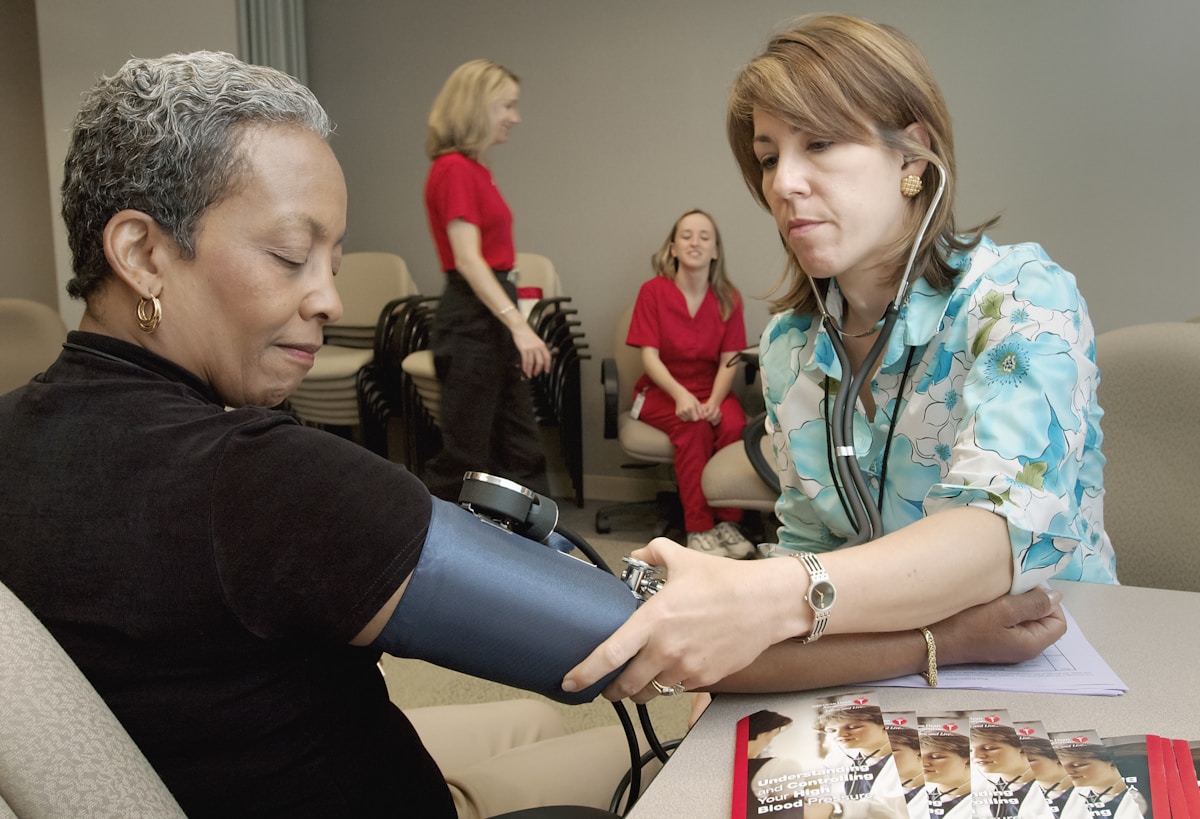
Since 2014, all Dubai residents must have valid health insurance. Your visa renewal will be rejected without proof of coverage, and both employers and sponsors face fines for non-compliance. This isn't optional-it's a legal requirement enforced by the Dubai Health Authority (DHA).
Is Health Insurance Mandatory in Dubai?
Yes, absolutely. The Dubai Health Insurance Law (Law No. 11 of 2013) mandates that all Dubai residents must have health insurance coverage. This law came into effect in stages starting in 2014 and now covers 100% of Dubai's population-employees, dependents, domestic workers, and retirees.
The law requires employers to provide health insurance for all employees and their sponsored dependents. If you're on an employment visa, your company must cover you. If you sponsor family members on your visa (spouse, children), you're legally required to provide them with health insurance as well.
Visa renewal is directly tied to insurance status. When you apply to renew your residence visa, immigration authorities verify that you have valid health insurance registered with the Dubai Health Authority. Without it, your renewal application will be rejected-no exceptions.
Non-compliance carries serious consequences. Employers face fines of AED 500 per employee per month for failing to provide insurance. Sponsors who don't insure their dependents face similar penalties. The DHA actively monitors compliance and issues fines automatically through their system.
Who Pays for Health Insurance?
The responsibility for paying health insurance depends on your visa type and employment status. Here's how it breaks down:
Employer-Provided Insurance
If you're on an employment visa, your employer is legally required to provide and pay for your health insurance. Most employers also cover your sponsored dependents (spouse and children), though this isn't legally required-it depends on your employment contract and company policy.
Large companies typically offer comprehensive plans covering the whole family at no cost to employees. Smaller companies might provide basic coverage for employees only, requiring you to purchase additional coverage for dependents. Always clarify what's included in your employment package before accepting a job offer.
Freelance and Self-Employed
Freelancers and self-employed individuals on Green Visas or free zone licenses must purchase their own health insurance. Basic plans start at AED 700-800 annually and go up to AED 2,500 for more comprehensive coverage. You'll need to budget for this as part of your annual business costs.
Free zone authorities often bundle health insurance into their visa packages, but the coverage is usually minimal-just enough to meet DHA requirements. Most freelancers upgrade to enhanced plans for better hospital access and lower co-pays.
Family Visas and Dependents
If you sponsor family members on your visa (spouse, children, parents), you're responsible for paying their health insurance. For a family of four, expect to pay AED 3,000-12,000 annually depending on the plan level you choose.
Some employers contribute toward dependent coverage as part of your benefits package. Others provide a fixed allowance (typically AED 500-1,000 monthly) that you can use toward insurance premiums. Check your employment contract for details.

DHA Minimum Coverage Requirements
The Dubai Health Authority sets minimum coverage standards that all insurance plans must meet. These requirements ensure that even the most basic plans provide essential healthcare services.
Every DHA-compliant plan must include full coverage for emergency treatment, including emergency room visits, ambulance services, and urgent care. Maternity coverage is also mandatory, with minimums of AED 7,000 for normal delivery and AED 10,000 for caesarean section. Plans must provide access to GP consultations for routine medical care and specialist consultations covering fields like cardiology and orthopedics. Inpatient care for hospital stays, surgeries, and overnight admissions is required, as is outpatient care for medical consultations and treatments that don't require hospital admission.
These minimums apply to all plans sold in Dubai, including the cheapest basic coverage. However, there's a huge difference between minimum compliance and practical, usable coverage. Basic plans might technically cover specialist visits but with AED 50 co-pays and limited hospital networks, making them expensive and inconvenient to use.
Types of Health Insurance Plans
Dubai health insurance plans fall into four main categories based on coverage level, hospital network access, and annual costs. Understanding these tiers helps you choose the right balance between affordability and comprehensive coverage.
Essential/Basic Plans (AED 700-1,200/year)
Basic plans meet DHA minimum requirements and satisfy visa requirements, but offer limited practical value. You're restricted to specific hospital networks (typically NMC, Aster, Mediclinic budget clinics) with co-pays of AED 20-50 for every visit. Outpatient coverage is minimal-usually capped at AED 5,000-10,000 annually.
Maternity coverage hits the minimum AED 7,000 for normal delivery, which doesn't cover actual delivery costs at most hospitals (real costs: AED 8,000-15,000). You'll pay the difference out of pocket. Dental and optical coverage isn't included.
Best for healthy young singles who rarely need medical care and primarily need insurance for visa purposes. Not recommended for families with children or anyone with chronic health conditions.
While basic plans technically provide coverage, most expats find them frustrating to use. Network hospitals are often far from home, co-pays make frequent visits expensive, and you'll face annual limits that run out quickly with any serious medical needs. Consider these visa-compliance insurance rather than practical healthcare coverage.
Enhanced Plans (AED 1,500-3,000/year)
Enhanced plans offer significantly better value for most expat families. You get access to a wider hospital network including major facilities like Saudi German Hospital, Mediclinic Parkview, and Mediclinic City Hospital. Co-pays drop to AED 20-30, making regular doctor visits more affordable.
Maternity coverage increases to AED 10,000-12,000, which covers most normal deliveries at mid-tier hospitals. Outpatient limits rise to AED 15,000-25,000 annually. Some plans include basic dental coverage (AED 500-1,000) and optical coverage (AED 300-500) for routine checkups and glasses.
Best for families with young children, professionals who want reliable healthcare access without breaking the bank, and anyone planning to use their insurance regularly for preventive care.
Comprehensive Plans (AED 3,500-8,000/year)
Comprehensive plans give you access to Dubai's top hospitals: American Hospital, Mediclinic Parkview Hospital, Emirates Hospital, Burjeel Hospital, and all major private facilities. Co-pays are minimal (AED 10-20) or waived entirely for in-network care.
Maternity coverage jumps to AED 15,000-20,000, covering delivery at premium hospitals. Outpatient limits reach AED 50,000-100,000, more than sufficient for most medical needs. Dental coverage expands to AED 1,500-3,000 (including fillings and minor procedures) and optical coverage reaches AED 1,000-1,500.
These plans often include extras like physiotherapy coverage (AED 2,000-5,000), mental health services, and coverage for chronic condition management. Pre-existing condition waiting periods are shorter (6 months instead of 12).
Best for families planning to have children, individuals with chronic health conditions requiring regular specialist care, expats who prioritize healthcare quality and convenience.

Premium Plans (AED 10,000-25,000/year)
Premium plans provide the ultimate healthcare experience. You get global coverage including regional medical evacuations, access to every hospital in Dubai without restrictions, private or semi-private rooms for hospital stays, and zero co-pays for all services.
Maternity coverage reaches AED 25,000-30,000+, covering delivery at any hospital including American Hospital Dubai. Full dental coverage (AED 3,000-5,000) includes major procedures like root canals and crowns. Optical coverage (AED 1,500-2,000) includes designer frames and contact lenses.
Additional benefits include alternative medicine coverage (chiropractic, acupuncture), wellness programs with gym reimbursements, mental health counseling with high annual limits, and 24/7 international support lines with direct claim processing.
Best for senior executives with company-provided insurance, families with complex medical needs, individuals who want complete peace of mind and VIP healthcare access.
Top Insurance Providers in Dubai 2026
Dubai has dozens of insurance providers, but a handful dominate the expat market with reliable service, extensive networks, and reasonable pricing. Here are the top providers and what makes each one stand out.
Daman
Daman is one of the largest health insurers in the UAE, originally established as Abu Dhabi's mandatory insurance provider. They offer excellent coverage with extensive hospital networks and competitive pricing. Their Essential, Enhanced, and Ultima plans cover different budget ranges, and they're known for smooth claim processing and minimal rejection rates.
Strengths include wide acceptance at major hospitals, a straightforward claim process, good customer service, and competitive family packages. On the other hand, some complaints exist about call center wait times during peak hours.
Aetna
Aetna International brings global insurance expertise to Dubai with comprehensive plans popular among multinational companies. Their network includes premium hospitals and they offer excellent maternity coverage. Aetna is particularly strong for expats who travel frequently, with good regional coverage options.
Strengths include premium hospital access, strong maternity benefits, international coverage options, and a reputable brand. That said, premiums tend to be higher than local competitors and may be overkill for basic needs.
AXA
AXA offers well-balanced plans across all price points with particularly strong mid-tier options. Their Smart and Platinum plans are popular with families seeking comprehensive coverage without premium pricing. AXA's digital platform makes it easy to find network doctors, submit claims, and track approvals.
Strengths include good value comprehensive plans, a user-friendly mobile app, responsive customer service, and strong dental/optical add-ons. The network is slightly smaller than Daman or Aetna.
Cigna
Cigna specializes in premium corporate plans with excellent coverage and service. They're known for hassle-free claim approvals and a vast network including all major Dubai hospitals. Cigna's wellness programs and mental health coverage are particularly comprehensive.
Strengths include premium coverage, minimal claim rejections, excellent mental health benefits, and 24/7 international support. Plans are expensive for individual purchasers, and most are employer-provided.
Oman Insurance
Oman Insurance offers good value plans popular with small to mid-sized companies. Their network covers major hospitals and they provide reliable service at competitive prices. Plans are straightforward without hidden exclusions.
Strengths include competitive pricing, transparent terms, good customer service, and fast claim processing. Basic plans have higher co-pays than competitors.
NextCare (Budget-Friendly Option)
NextCare dominates the budget insurance segment with plans starting at AED 650 annually. They're the go-to choice for freelancers and individuals who need DHA-compliant insurance at minimum cost. Their network is more limited but includes essential facilities.
Strengths include very affordable pricing, meeting all DHA requirements, quick policy issuance, and popularity with free zones. The trade-offs are a limited network, high co-pays, and minimal outpatient coverage.
Cost Comparison
Here's what you can expect to pay for different plan tiers based on family size. Prices vary by provider, age, and specific coverage options, but these ranges give you realistic budgeting numbers for 2026.
Essential/Basic Plans: an individual pays AED 700-1,200 per year, a couple pays AED 1,500-2,500, and a family of four pays AED 3,000-4,500.
Enhanced Plans: an individual pays AED 1,500-3,000 per year, a couple pays AED 3,500-6,000, and a family of four pays AED 6,000-10,000.
Comprehensive Plans: an individual pays AED 3,500-8,000 per year, a couple pays AED 7,500-15,000, and a family of four pays AED 12,000-25,000.
Premium Plans: an individual pays AED 10,000-25,000 per year, a couple pays AED 20,000-45,000, and a family of four pays AED 35,000-70,000.
These are annual costs. Most providers offer monthly payment options with a small surcharge (typically 5-10% more than paying annually). Age significantly impacts pricing-individuals over 50 can pay 50-100% more for the same coverage.

What's Typically NOT Covered
Understanding exclusions prevents unpleasant surprises when you need care. Here are the most common things not covered by Dubai health insurance, even in comprehensive plans.
Pre-existing conditions-medical conditions you had before the policy start-are excluded for 6-12 months, and sometimes permanently on basic plans. Cosmetic procedures such as plastic surgery, cosmetic dentistry, and aesthetic treatments are not covered unless medically necessary (for example, reconstructive surgery after an accident). IVF and fertility treatments are excluded from most plans, though some premium plans offer limited coverage in the range of AED 10,000-20,000.
Alternative therapies including chiropractic, acupuncture, and naturopathy are excluded unless specifically listed in premium plans. Non-emergency repatriation, meaning flying home for treatment or medical evacuation, requires premium international coverage. Experimental treatments, clinical trials, unproven therapies, and medications not approved in the UAE are never covered. Self-inflicted injuries, including injuries from suicide attempts, substance abuse, or intentional self-harm, are also excluded across all plan tiers.
Some conditions have annual limits even when covered. Physiotherapy might be capped at AED 2,000 per year, mental health counseling at 10 sessions annually, and diagnostic tests at specific limits. Read your policy document carefully-the summary brochure doesn't show these details.
How to Use Your Health Insurance in Dubai
Dubai's health insurance system is straightforward once you understand the process. Here's how to actually use your coverage.
Getting Your Health Card
Your employer or insurance provider issues a physical health insurance card with your member ID, policy number, and emergency contact information. This card is essential-carry it always. Most providers also offer digital cards through mobile apps that work just as well.
Download your insurer's mobile app immediately. These apps show your coverage details, network hospitals, pre-approval status, and allow you to submit claims digitally. The major insurers (Daman, Aetna, AXA) have excellent apps that make healthcare much more convenient.
Finding Network Hospitals
Before seeking care, check which hospitals and clinics are in your insurance network. Network providers have direct billing agreements with your insurer-you show your card, pay the co-pay if applicable, and the provider bills your insurance company directly.
Out-of-network providers require you to pay upfront and submit reimbursement claims later. The process works but involves paperwork, weeks of waiting, and potential disputes. Always use network providers unless it's an emergency.
Pre-Approval for Major Procedures
Surgeries, expensive diagnostic tests (MRIs, CT scans), specialist procedures, and elective treatments require pre-approval from your insurance company. Your doctor submits a request explaining the medical necessity, and the insurer reviews it (usually takes 24-48 hours).
Never proceed with major procedures without pre-approval. If your insurer denies coverage after the fact, you're stuck with the full bill. Pre-approval isn't a guarantee of payment-they can still deny the claim if they find the treatment wasn't medically necessary-but it provides some protection.
Understanding Co-Pays
Most plans have co-pays-fixed amounts you pay for each service. Typical co-pays: AED 20-50 for GP visits, AED 30-75 for specialist consultations, AED 50-100 for emergency room visits (waived if admitted), and AED 10-30 for medications per prescription.
Co-pays add up quickly with chronic conditions requiring frequent visits. A diabetic seeing specialists monthly pays AED 400-600 annually just in co-pays. Factor this into your total healthcare costs when comparing plans.
Claims Process for Out-of-Network Care
If you must use an out-of-network provider, keep all receipts, medical reports, and prescriptions. Submit claims through your insurer's mobile app or online portal within 30 days. Include the itemized bill showing exactly what services were provided.
Reimbursement takes 2-4 weeks typically. Insurers reimburse based on "reasonable and customary" rates, which might be less than you paid. If you paid AED 500 for a consultation but their approved rate is AED 300, you'll only get AED 300 back.
Hidden Gotchas to Watch For
Health insurance policies contain fine print that can catch you by surprise. Here are the most common gotchas that trip up expats.
Most plans don't cover anything except emergencies for the first 30 days after the policy starts. Pre-existing conditions-that knee injury from last year, for example-won't be covered for 6-12 months, and insurers will check your medical history. "UAE-wide coverage" often means "network hospitals only," so if your preferred hospital isn't in-network, you're paying out-of-pocket.
Even comprehensive plans impose annual sub-limits on specific treatments: physiotherapy might be capped at AED 2,000, mental health at 10 sessions, and diagnostic tests at AED 5,000. Some plans only cover Dubai, meaning an emergency in Abu Dhabi or another emirate might not be covered. Perhaps most critically, most plans require 9-12 months of coverage before maternity benefits activate-if you're already pregnant when you get insurance, you won't be covered.
Always read the full policy document, not just the marketing brochure. The brochure highlights what's covered; the policy document explains all the exclusions, limits, and conditions. If something seems too good to be true, check the policy document for catches.

How to Choose the Right Plan
Choosing health insurance isn't just about finding the cheapest option-it's about matching coverage to your actual healthcare needs. Here's how to decide based on your situation.
Based on Family Size
For singles, enhanced plans offer the best value unless you're very healthy and rarely need care (then basic works). Avoid premium plans unless your employer pays-the extra cost rarely justifies the benefits for healthy young singles.
For couples, enhanced to comprehensive plans work best depending on whether you're planning children soon. If maternity is in your near-term plans, get comprehensive coverage with high maternity limits (AED 15,000+) before getting pregnant-maternity waiting periods apply.
For families with children, comprehensive plans are worth it. Kids need frequent doctor visits, and co-pays add up fast on basic plans. Access to good pediatricians and children's hospitals matters more than saving AED 2,000 annually on premiums.
Based on Age
If you're under 35, enhanced plans typically suffice unless you have chronic conditions. You'll likely use insurance for routine checkups and occasional sick visits-comprehensive coverage is nice but often overkill.
Between 35 and 50, comprehensive coverage becomes more valuable as health issues emerge. Better to have coverage and not need it than face high costs when something comes up. This age range is when preventive care and regular checkups matter most.
For those over 50, comprehensive or premium plans are almost always worth it. Healthcare needs increase significantly, and having access to top hospitals without worrying about costs provides peace of mind. Pre-existing conditions become common, so thorough coverage matters.
Based on Health Status
If you have chronic conditions, get comprehensive coverage with low co-pays. If you see specialists monthly, those AED 50 co-pays on basic plans cost AED 600 annually-comprehensive plans with AED 20 co-pays save you money long-term while providing better care access.
If you're generally healthy, enhanced plans strike the best balance. You get good coverage when you need it without paying for premium features you'll rarely use. Save the difference for out-of-pocket expenses or emergency funds.
Based on Preferred Hospitals
Check which hospitals are in each plan's network before deciding. If you live in Dubai Marina and your basic plan only covers hospitals in Deira, you'll never actually use your insurance except for emergencies.
Location matters enormously in Dubai. Traffic makes crossing the city difficult, especially for regular appointments. Choose a plan that includes hospitals within 15-20 minutes of your home or office.
Based on Budget
On a tight budget, basic plans meet legal requirements and provide emergency coverage. Budget an additional AED 2,000-3,000 annually for out-of-pocket medical costs-you'll need it for co-pays and services beyond your plan limits.
With a moderate budget, enhanced plans offer the best value for most expats. The AED 1,500-3,000 annual cost is manageable while providing coverage you'll actually use comfortably.
With a flexible budget, comprehensive plans eliminate most healthcare worries. The extra cost (AED 3,500-8,000) buys convenience, better hospital access, and peace of mind-worth it if your budget allows.
Real Expat Experiences
Understanding how insurance works in practice helps set realistic expectations. Here are real scenarios from expats living in Dubai.
Sarah's Maternity Experience (Comprehensive Plan): "I had Daman Ultima with AED 20,000 maternity coverage. My daughter was born at Mediclinic Parkview Hospital-normal delivery cost AED 18,500. Insurance covered everything except a AED 30 co-pay for registration. I had regular prenatal checkups with zero hassle using the Daman app for appointments. Totally worth the AED 6,500 annual premium for a family of three." - Sarah M., British expat, mother of one
James's Reality Check (Basic Plan): "Got NextCare basic plan as a freelancer (AED 750/year). Seemed great until I needed to see a doctor for a persistent cough. Nearest network clinic was 40 minutes away in Deira-I live in JBR. Co-pay was AED 50, medication wasn't covered. Ended up going to Medcare nearby, paid AED 400 out of pocket. The 'insurance' is basically just for visa purposes." - James K., Australian freelancer, Dubai Marina
Priya's Pre-Existing Condition Challenge: "I have diabetes managed with medication. When I switched jobs and got new insurance through Aetna, they excluded diabetes coverage for 12 months as a pre-existing condition. Paid AED 350 monthly out-of-pocket for insulin and specialist visits. After 12 months, everything got covered. The pre-existing exclusion is real-budget for it." - Priya D., Indian expat, IT professional
Michael's Emergency Room Experience: "Broke my arm playing football, went to American Hospital emergency room. Had AXA comprehensive plan. They treated me immediately-X-rays, casting, pain medication, follow-up appointments all covered. Co-pay was AED 100, total bill would have been AED 6,500. The insurance card worked seamlessly, zero paperwork on my end. This is what good insurance should be." - Michael T., Canadian expat, sports enthusiast
Practical Tips for New Residents
Here's what expats wish they knew before getting health insurance in Dubai.
Negotiate with your employer. If offered basic coverage, ask if they'll contribute toward upgraded coverage. Many employers provide AED 500-1,000 monthly allowances if you request it. Time your policy start on the 1st of the month to maximize your first month-starting mid-month still counts as using your first month's coverage.
Keep your health card accessible at all times. Take photos of both sides and store them on your phone. Digital cards work at most hospitals, but having photos helps if your phone dies or apps malfunction. Download your insurer's mobile app right away-these apps show coverage details, find network providers, check pre-approvals, and submit claims digitally.
Use your annual health checkups. Comprehensive plans include free annual checkups-take advantage of them. Early detection saves money and health issues long-term. Build a relationship with a good GP in your network and stick with them. They'll learn your medical history and provide better continuity of care than rotating doctors.
Summary: What You Need to Remember
Health insurance in Dubai is mandatory-there's no way around it. Your visa renewal depends on valid coverage, and the penalties for non-compliance are enforced. But beyond meeting legal requirements, the right insurance provides genuine peace of mind and access to excellent healthcare.
Most expats find enhanced or comprehensive plans offer the best value-enough coverage to use comfortably without paying for excessive features. Basic plans technically work but frustrate you with limited networks and high co-pays. Premium plans are excellent if your employer provides them or you have complex healthcare needs.
Choose your plan based on family size, age, health status, and preferred hospitals. Don't just pick the cheapest option-consider where you live, which hospitals you want access to, and what your actual healthcare needs are. The AED 2,000-3,000 difference between basic and enhanced coverage often pays for itself in convenience and better care.
Read your policy document thoroughly, understand pre-existing condition exclusions, know your network hospitals, and download your insurer's mobile app. These simple steps prevent 90% of insurance headaches expats face.
Healthcare in Dubai is excellent when you have proper insurance. The infrastructure is modern, doctors are well-trained, and the system works efficiently. Match your coverage to your needs, use network providers, and you'll find Dubai's healthcare system among the best in the region.


